Digital Food Safety System
Save time, reduce hassle and keep your business inspection-ready.

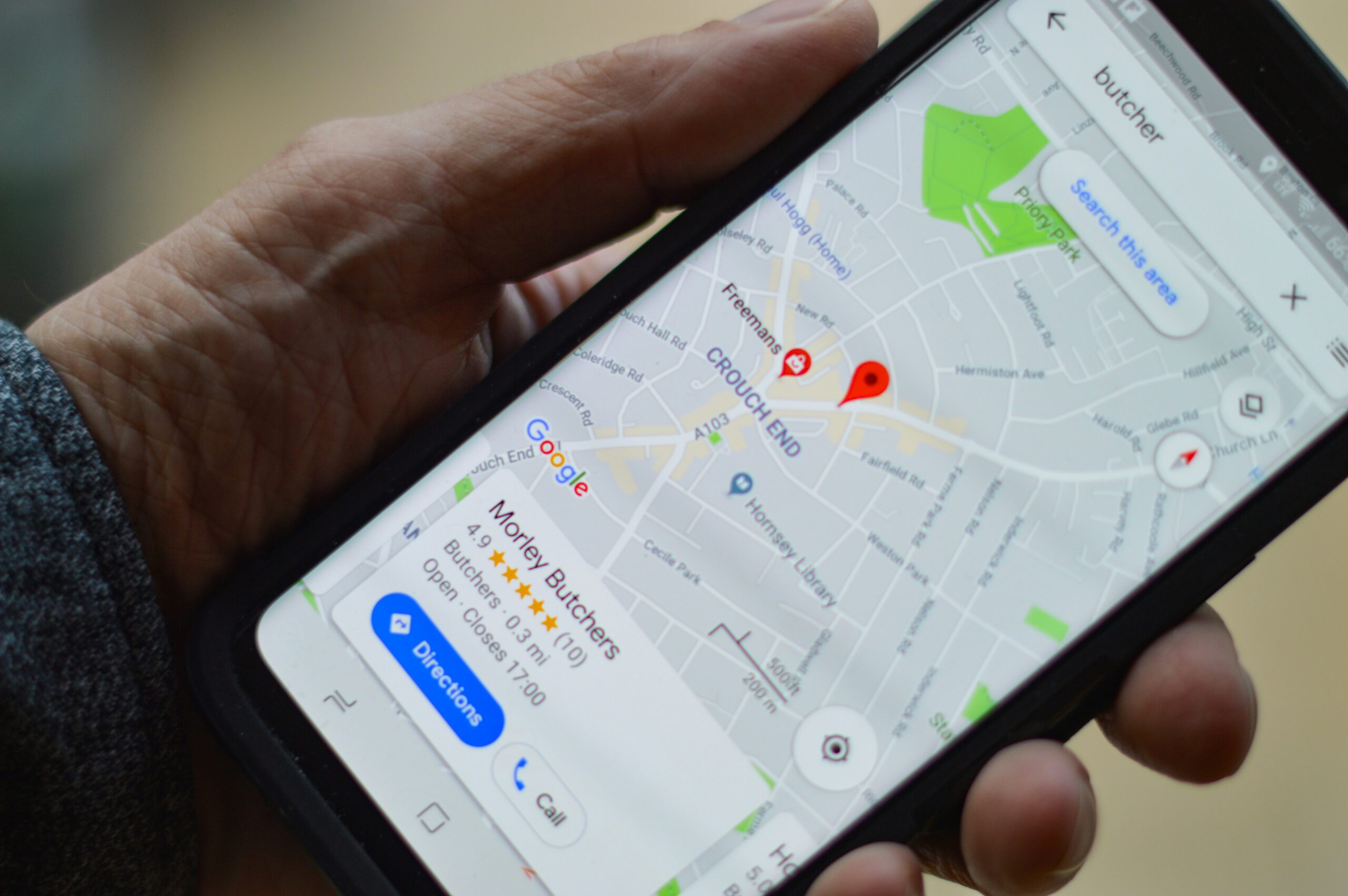
If you run a bar, café or restaurant, you’ve likely heard customers say, ‘We just searched for somewhere nearby.’ More people are choosing where to eat or drink by searching ‘bars near me’ or ‘places to eat nearby’ on their phones. These hyperlocal searches have grown by 900% since 2023 and are often made last-minute.
Showing up in these searches isn’t about technical SEO or Google algorithms. It’s about clear, consistent information and making your business easy to find and choose. Most hospitality venues already have what they need – they just don’t always present it clearly.
This guide breaks down local search in simple terms, with practical steps to help more nearby customers find you when they’re ready to book or walk in.
Customers are making decisions fast, often within minutes and on their phone, on the move. If your information isn’t clear, consistent and appealing, you won’t just be ranking lower, you’ll be skipped entirely.
Local search helps your bar, café or restaurant appear when nearby customers search for places to eat or drink. The aim is simple: to be visible at the exact moment someone is deciding where to go. Your business can show up in a few key places on Google, each with a slightly different role:
Google Maps
Shows businesses based on location, relevance and how complete your Google Business Profile is. This is often the first place guests check for reviews, opening hours and directions.
Google Local Pack (Map Pack)
The three highlighted listings that appear at the top of local search results. These are pulled from Google Maps and are influenced by relevance and proximity.
AI-powered search results
AI search tools pull information from your website, Google profile, reviews and social media. This makes clear, consistent information across all platforms more important than ever.
Want more simple, proven ideas to help you get found locally, attract more customers, and turn first-time visitors into regulars?
Local search results are influenced by three main factors:
Having an up-to-date, complete and verified Google Business Profile is the quickest way to optimise your business for local search. And the best thing is, it’s free 24/7 marketing! Read our guide to improving your Google profile to get found online and create a consistent online presence that will build your search visibility locally. The most important takeaways are making sure your business is correctly categorised and named, that you’re regularly adding quality photos, and up-to-date menus are added.
You know your business best, but that doesn’t mean Google or your customers do. You need to give Google clear signals about what type of business you are and what offer, so it can best match with customer searches. Use helpful but simple language to describe your business across your Google Business Profile, website and social channels:
As with your search terms, make sure your name, address and phone details are correct across all platforms Google uses to verify the information: your website, your Google profile, social media channels and review platforms (like Yelp and TripAdvisor). This will help Google verify your locality and make search matches more likely.
Take 10 minutes to double check your information and fix any inconsistencies or incorrect information. A good place to start is by logging in to your Google Business Profile.
The importance of reviews is two-fold, they influence both online visibility and customer choice. The best recommendation to potential customers is from diners who have already tried, and loved, your food or drink offering. Plus, having regular and recent reviews signals trust and relevance to Google, as they know your business is visited often and customers are interacting.
To help Google understand that your business is truly local, reference neighbourhoods, landmarks and familiar local terms – such as nearby roads, parks or transport links. Add these details to your Google Business Profile and mirror them on your website, ideally on a simple Directions page.
Because you don’t know how customers are travelling, include clear directions from nearby stations, bus stops, walking routes or car parks. This helps guests find you more easily and builds trust with Google at the same time.
Although your Google profile provides more specific information, your website is where you can expand on your offer to improve SEO organically. This will mean you’ll rank higher for longer search terms that might be specific to your USPs and improve your online presence, so more people will find your business when they search locally.
Google expect these basics from a hospitality website:
We’ll be adding a series of blog posts on how to make your website really work for you- so be sure to check back on our Marketing Resource Hub.
Local SEO isn’t just about showing up – it’s about giving customers confidence to choose you. When people find your business in search results, they decide within seconds whether to click, book or move on. Photos, reviews, menus and recent updates all play a big role in that decision.
Google also favours businesses that appear active and up to date. You can strengthen your local visibility by regularly updating menus, adding events and responding to reviews. These actions don’t just help you rank better, they help customers trust you before they ever visit your website.
We hope this guide has helped you understand how local SEO and online search visibility is largely down to clarity and consistency. Even small independent hospitality businesses can complete without the big marketing budgets – by simply matching your business to local searches from potential customers.
Want more hands-on support with your local marketing? NCASS has been helping food and drink businesses like yours for over 30 years. From helping customers easily find you online, to getting your compliance covered or just accessing our expert team for advice, we’ve got your back. Call us on 0300 124 6866 to chat.
 Featured Training