



Here at NCASS, there’s a passionate team working behind the scenes every day to make sure members get the most out of their membership – and we thought it was about time you got to know them!
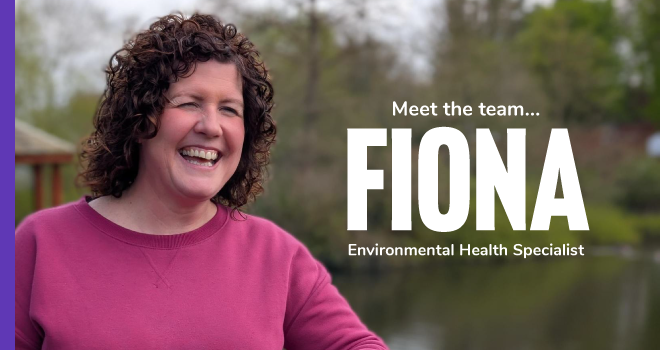
Next up, we’re hearing from Fiona West MCIEH, our in-house Environmental Health Officer, who supports our members with expert guidance on food safety, compliance, and best practice to help them run safe, successful businesses.
Tell us more about your background?
I spent 17 years working in local authority environmental health services as an Environmental Health Officer (EHO), specialising in food safety and health & safety. I’ve been with NCASS since 2022, so for nearly 4 years.
What does your role as an in-house EHO involve?
My role as an in-house Environmental Health Officer involves supporting members with enquiries around food safety, health and safety, and local authority enforcement, ensuring they have the right advice to maintain high standards and stay legally compliant. I also make sure our compliance resources, training courses, and guidance remain accurate and up to date across the business.
A key part of my role is overseeing our Primary Authority Partnerships with the Royal Borough of Greenwich, Wrexham Borough County Council, and East Sussex Fire Service, ensuring our resources are assured, aligned with regulators, and informed by the latest developments.
I also respond to government consultations and work closely with key stakeholders such as the Food Standards Agency (FSA), Health and Safety Executive (HSE), and Chartered Institute of Environmental Health (CIEH). I support the development of new products and initiatives, including training courses and updates to our Digital Food Safety System, and regularly liaise with Environmental Health Officers across the UK to share expertise, answer queries about NCASS resources, and deliver presentations and training.
How do you support NCASS members in staying compliant?
Key to a successful business is compliance with the relevant food safety, health & safety and licencing regulations. NCASS has expertise in these matters and can provide insight to support members run their business legally and safely.
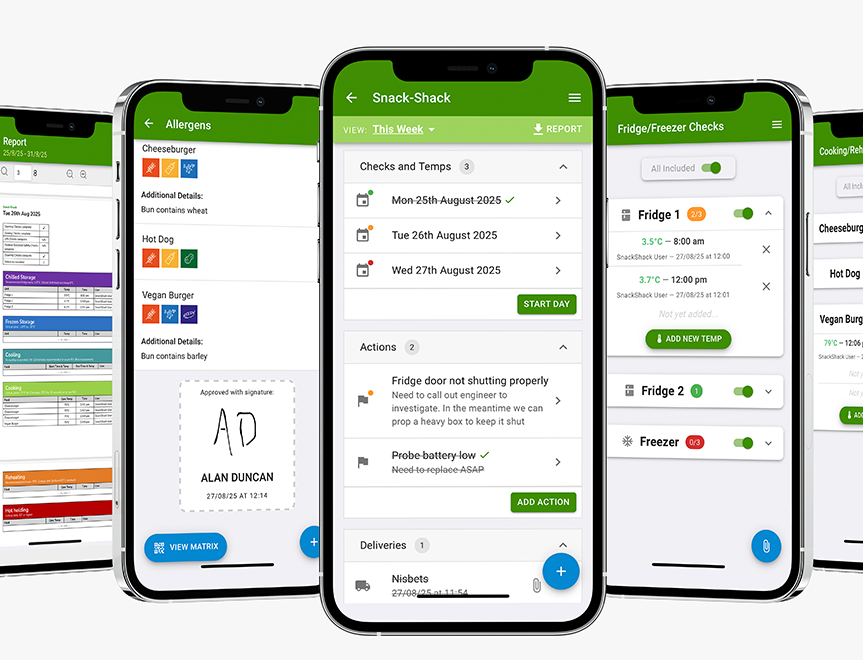
Core to this is the NCASS Safety Management System and DFSS. This helps members comply with the requirements to have a written food safety management system and to risk assess their business work activities in respect of Health & Safety and fire safety.
Training is key to a business’s compliance – we maintain training courses to support the needs of our members and increase our overall offering. That way they can easily evidence that they have undertaken training and therefore hold sufficient knowledge and have also trained their staff in compliance matters.
We are striving for continuous improvement with all our resources, so they continue to meet the needs and interest of our members and to ensure they are adapted and updated to reflect changes in legislation and best practice.
What’s the most rewarding part of your job?
Supporting customer services to ensure NCASS members get full value from their membership, while continuously improving and developing new services, including renewing and enhancing existing training products and compliance resources as well as creating new ones.
What’s one thing people might not realise about being an EHO?
Environmental Health is broader than you might think. As part of their degree in Environmental Health and their professional registration, EHOs have to train in all aspects of Environmental Health – food safety, health and safety, environmental protection, housing and public health. They then choose to specialise in one or more disciplines. A big part of this is practical, work-based learning.
There is currently a national shortage of EHOs, so the Chartered Institute of Environmental Health (CIEH) and local authorities are finding ways to make steps to qualification easier and more work based. For example, local authorities now commonly offer apprenticeships programmes.
The best EHOs I have worked with over the years are those that have first worked in hospitality and have come into the career with practical insight into the industry.
If you know someone who may be interested in a career in environmental health then get them to check out the CIEH: https://www.cieh.org/
What are the most common food safety challenges you see in independent hospitality?
One of the most common food safety challenges in independent hospitality is inconsistent staff training, often driven by high staff turnover. Many small businesses struggle with formal training, which can lead to knowledge gaps where staff don’t fully understand the “why” behind food safety practices. With teams constantly changing, training can’t be treated as a one-off task – it needs to be ongoing and consistently reinforced to maintain standards. Ultimately, having reliable, well-trained staff is key to effective food safety management, from safe food handling to maintaining strong cleaning and hygiene practices. Investing in your team’s knowledge pays off in the long run.
What advice would you give to someone starting out in independent hospitality, and what differing advice would you give to mobile or street food traders?
Do your preparation and put time into properly developing your hygiene and safety procedures – it will save you time and tears later on.
Read, familiarise and properly implement the applicable risk assessments as part of the NCASS Safety Managements System.
Businesses commonly fail food hygiene inspections because they are not following their own written food safety controls and procedures. When they are audited against their food safety management system (food safety risk assessments) they are found not to be implementing them because they have never taken the time to properly read, understand and establish them in their business.
NCASS provide supporting information in the Compliance Manual to help with understanding how to run a safe and complaint business.
For mobile caterer’s/street food traders – know your stuff when it comes to mobile LPG safety and outdoor electrical safety as these can be your biggest safety hazards. Remember to utilise the gas safety and outdoor electrical safety checklists including within your SMS, to check the suitability of your set up when trading.
What are your top tips for achieving a 5-star food hygiene rating?
Utilise the applicable parts of your SMS – maintain your food safety procedures consistently. Train staff on your procedures and check out the NCASS Inspection checklist to prepare for your inspection.
And if in doubt, ask NCASS!
What’s your go-to comfort food?
Pizza or pasta, I’m a bit of carb addict and I don’t eat much meat.
One thing that bewilders everyone is the fact I can’t stand ice cream! I’ve never liked it – too sickly!
What would you name your food truck or hospitality business?
Clean Freaks!
“We serve with an intense, often compulsive, need for extreme cleanliness and organisation, frequently driven by germaphobia.”
What’s a fun fact about you?
When I was an EHO working for the City of Westminster at the start of my career, I met celebrity chefs – Aldo Zilli, Gordon Ramsey and Richard Corrigan – at their respective restaurants. That was a bit daunting!
Whilst working in London I had the opportunity to inspect a range of different premises, big to small, including many fine dining Michelin star restaurants. It wasn’t always glamourous as I also saw some of the worst pest infestations and hygiene standards I have ever seen. My experience working in central London left an ever-lasting impression on my career. “A baptism of fire” – an immediate and intense introduction to the job!

 Featured Training
OUR MEMBERSHIP
We're here to help make your catering business a success. Whether that be starting up or getting on top of your compliance and marketing. We're here to help you succeed.
Want our latest content?
Subscribe to our mailing list and get weekly insights, resources and articles for free
Get the emails