



There’s a quiet confidence to Mediterranean dining that’s easy to romanticise but often misunderstood. It’s not built on extravagance, complicated menus, or expensive fit outs. In fact, it’s the opposite.
It’s a quick espresso taken standing at the bar that turns into a chat in the sunshine. It’s a glass of wine, a simple plate of bread and cheese, and a table that slowly spills out onto the pavement.
At its core, it’s about ease, openness, and the gentle stretching of time, and nowhere does that translate more naturally in the UK than during the summer months.
While the UK hospitality industry faces year-round pressures such as high VAT, rising rents, increasing food and oil costs, summer offers something invaluable: permission. Permission to head to the beer garden for a cheeky pint on a Thursday afternoon, permission to enjoy your dinner al fresco, and permission to order one more drink, to turn a quick visit into an occasion.
We’ve already seen glimpses of how powerful this can be. In places like York Road in Kings Heath, Birmingham, sections of the street have been pedestrianised and parking removed to prioritise people over cars, creating space for outdoor seating, socialising, and a more relaxed, community-led hospitality scene.
What was once just a functional high street has evolved into a destination, a place where businesses benefit not from rushing customers through, but from encouraging them to stay.
Similar approaches have appeared across the UK, particularly since 2020, when councils introduced pavement licences and temporary road closures to support hospitality. This allowed venues to expand outdoors, increase capacity, and create vibrant al fresco environments.
And crucially, embracing that Mediterranean, al fresco style of dining doesn’t require a full reinvention. It’s about making smarter use of the space, energy, and mindset that summer already brings, while still running a commercially sharp operation behind the scenes.
Redefining “Turnover” in the Sunshine
When the sun is out, behaviour shifts. Guests are less inclined to rush and more open to extending their stay.
Rather than resisting this, the opportunity is to monetise dwell time, not fight it.
Think:
fewer pressure points × longer stays × incremental spend
You don’t need to double your covers, you need to increase what each guest does while they’re with you.
Practical strategies:
- Create summer-friendly menus built for grazing: small plates, sharers, light dishes.
- Make it easy to “add one more round” – clear drinks menus, visible specials, attentive service.
- Introduce natural extensions: dessert in the sun, a final spritz, a cheese board to share.
A guest who lingers outside for an extra 40 minutes with two more drinks is significantly more valuable than a quick indoor turnover.
Al Fresco as an Extension of Your Floor
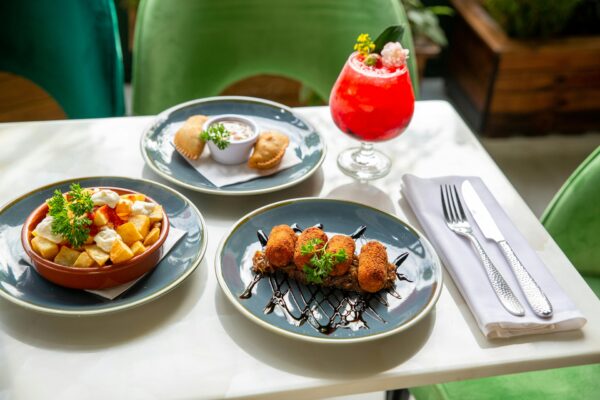
Outdoor seating in the UK is often underutilised or treated as secondary. Mediterranean venues treat it as the main event. Even a small pavement setup can become a powerful revenue driver.
Make it work operationally:
- Keep menus slightly tighter outside – focus on dishes that travel well and are quick to serve.
- Use portable POS systems or simplified ordering to reduce pressure on staff.
- Design flexible layouts that can expand or contract with the weather.
- Ensure outdoor spaces feel intentional, clean, comfortable, and inviting, not an afterthought.
Done well, al fresco dining increases capacity without the cost of additional indoor space.
The Bar-Spill Effect
One of the most effective (and very Mediterranean) dynamics is the flow between inside and outside. They start at the bar, move to a table, then drift back outside with a drink.
Why this matters commercially:
- It frees up tables without ending the customer journey.
- It increases drink sales (your highest-margin category).
- It creates visible energy – passing footfall sees a busy, vibrant space.
How to encourage it:
- Serve drinks in formats that travel easily (wine, spritzes, beer, simple cocktails).
- Actively invite guests: “Feel free to take your drinks outside.”
- Create standing areas or ledges where people can comfortably gather.
This fluidity is key – it keeps turnover ticking without making guests feel moved on.
Summer Menus: Simplicity, Seasonality, Speed
Mediterranean summer food is light, simple, and ingredient-led and this aligns perfectly with cost control in the UK.
Operational advantages:
- Faster prep and service
- Lower kitchen strain during busy periods
- Reduced waste through seasonal sourcing
Menu approach:
- Lean into what’s abundant locally – vegetables, herbs, cheeses, fish, meats.
- Focus on dishes that require minimal last-minute cooking.
- Use overlap in ingredients to streamline ordering and prep.
Think: dishes that feel effortless to eat in the sun and are effortless to execute behind the scenes.
Creating the Feeling of Time
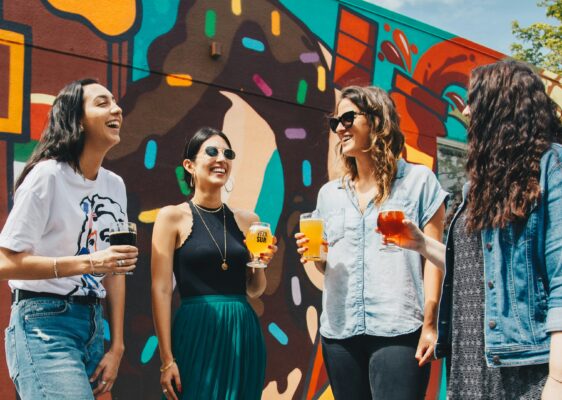
Summer naturally slows people down, but that doesn’t mean losing grip on operations. The key is to create the illusion of endless time, while quietly guiding the flow.
Subtle techniques:
- Delay the bill slightly – offer another drink, coffee, or digestif instead.
- Use service language that extends rather than ends: “Shall we bring something else while you’re enjoying the sun?”
- Keep an eye on table pacing but avoid visible pressure.
At peak times:
- Use gentle time expectations for prime tables.
- Transition guests naturally: “You’re welcome to continue outside if you like.”
It’s not about pushing people out, it’s about pulling them into the next stage of their visit.
Turning Streets into Community Assets
What York Road demonstrates and what similar UK schemes are beginning to prove is that when you prioritise people over traffic, hospitality thrives.
A street with outdoor tables:
- Feels safer, more vibrant, more social
- Encourages dwell time and repeat visits
- Benefits every business on the strip, not just one
Operators don’t need full pedestrianisation to tap into this:
- Work with neighbouring businesses to create a shared outdoor feel
- Apply for pavement licences where available
- Align trading styles – similar hours, complementary offers
A single venue can create atmosphere. A cluster creates a destination.
Staffing for Flow, Not Pressure
Summer trading can stretch teams, but a Mediterranean-style operation actually reduces friction if structured well.
Focus on:
- Cross-trained staff who can move between bar, floor, and outdoor areas
- Simplified service steps – less complexity, more awareness
- Clear communication between kitchen and front of house
When the operation flows, the atmosphere feels relaxed, even at peak capacity.
Effortless atmosphere, more returns
Mediterranean spaces feel unforced, but they’re carefully considered.
In summer, small details go a long way:
- Soft lighting as the evening draws in
- Music that enhances rather than dominates
- Simple, natural table settings
None of this requires major investment, but it significantly shapes how long people stay, and how much they enjoy spending while they do.
Final Thought: Make the Most of the Season
You don’t need to be on the Amalfi Coast to capture the spirit of Mediterranean living. A stretch of pavement in the sun, a well-poured glass of wine, a table that feels like it has nowhere else to be, that’s enough.
For UK hospitality operators, summer is not just a busy period. It’s a strategic window.
A chance to:
- Increase dwell time without sacrificing turnover
- Maximise high-margin sales through drinks and light food
- Make better use of outdoor space and local footfall
- Build community and repeat business
Most importantly, it’s a chance to prove that even in a high-cost, high-pressure environment, hospitality can still feel generous, human, and just a little bit slower.
 Featured Training
OUR MEMBERSHIP
We're here to help make your catering business a success. Whether that be starting up or getting on top of your compliance and marketing. We're here to help you succeed.
Want our latest content?
Subscribe to our mailing list and get weekly insights, resources and articles for free
Get the emails