

From managing airport retail to running one of the Midlands’ most recognisable street food brands, the journey behind Beef on the Block is anything but conventional. Built on instinct, resilience, and a commitment to quality British produce, the business has grown from a leap of faith into a staple of the region’s food scene.
We caught up with founder, Dani, to get her thoughts on the realities of street food life, the importance of keeping things simple, and how a focus on flavour, branding, and customer experience has helped carve out a loyal following in a competitive market.
What pushed you to take the leap and move into the street food world?
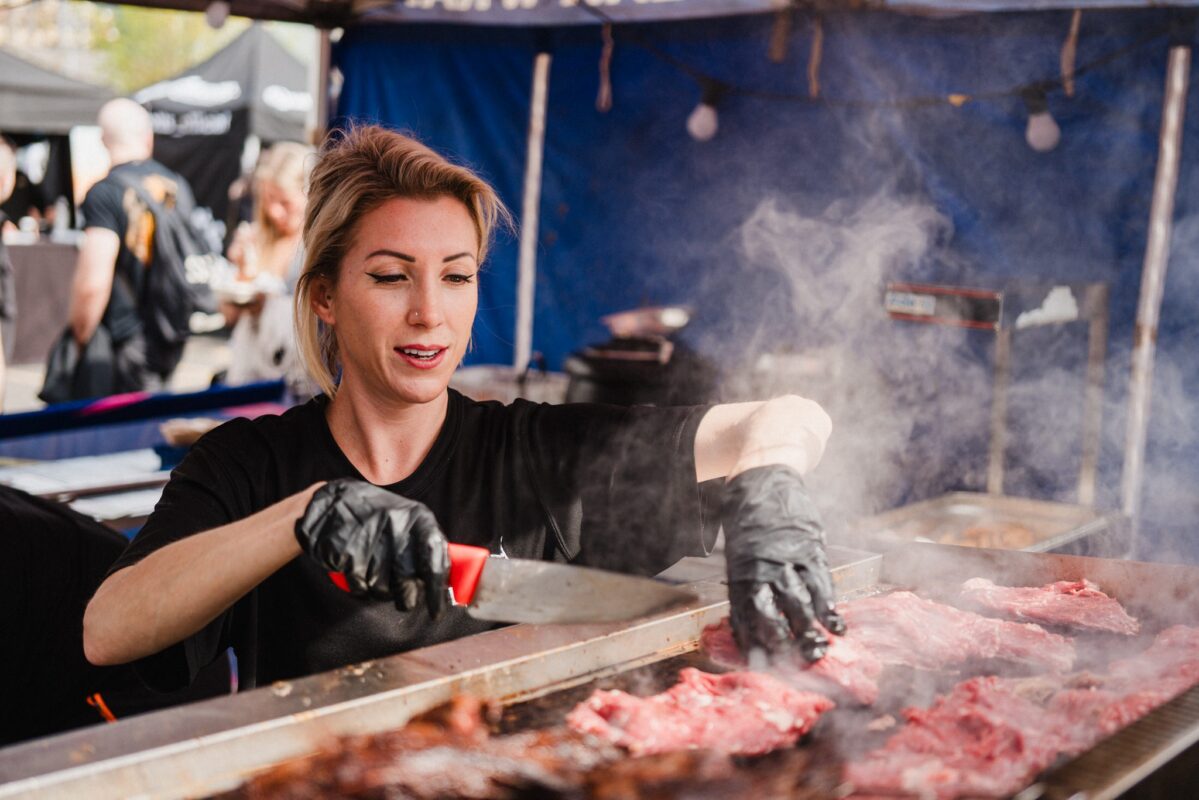
I worked as a store manager for Boots for 10 years at Gatwick Airport, and then in the Midlands, I had absolutely no experience in the industry whatsoever apart from being a pretty good cook! I had known, Jack (one of the owners of Digbeth Dining Club) since I was at uni so on the weekends when I wasn’t working at Boots, I would work on the door at DDC, collecting the £1 entry fee. Doing that for long enough I suppose my ears pricked up and I started to think maybe this was a world I wanted to work in, so I started doing the odd shift for The English Indian and Only Jerkin’ to get some experience – and probably within 3 or 4 months I quit Boots and Beef on the Block was born.
What were some of the biggest lessons you picked up from those early experiences?
I think I learned quickly that street food very rarely goes to plan. I was obsessed at the start with everything going perfectly and smoothly and I had all these big ideas about how seamless everything would run, and you learn quickly that it just is never like that – street food is basically 80% problem solving and 20% cooking. Once I realised that something would go wrong every day, even minor issues, I started to relax a lot more. Seven years in and things still go wrong all the time, you just get much better at dealing with it.
British produce is clearly central to what you do. Why is it so important for Beef On The Block to champion high-quality, locally sourced meat?
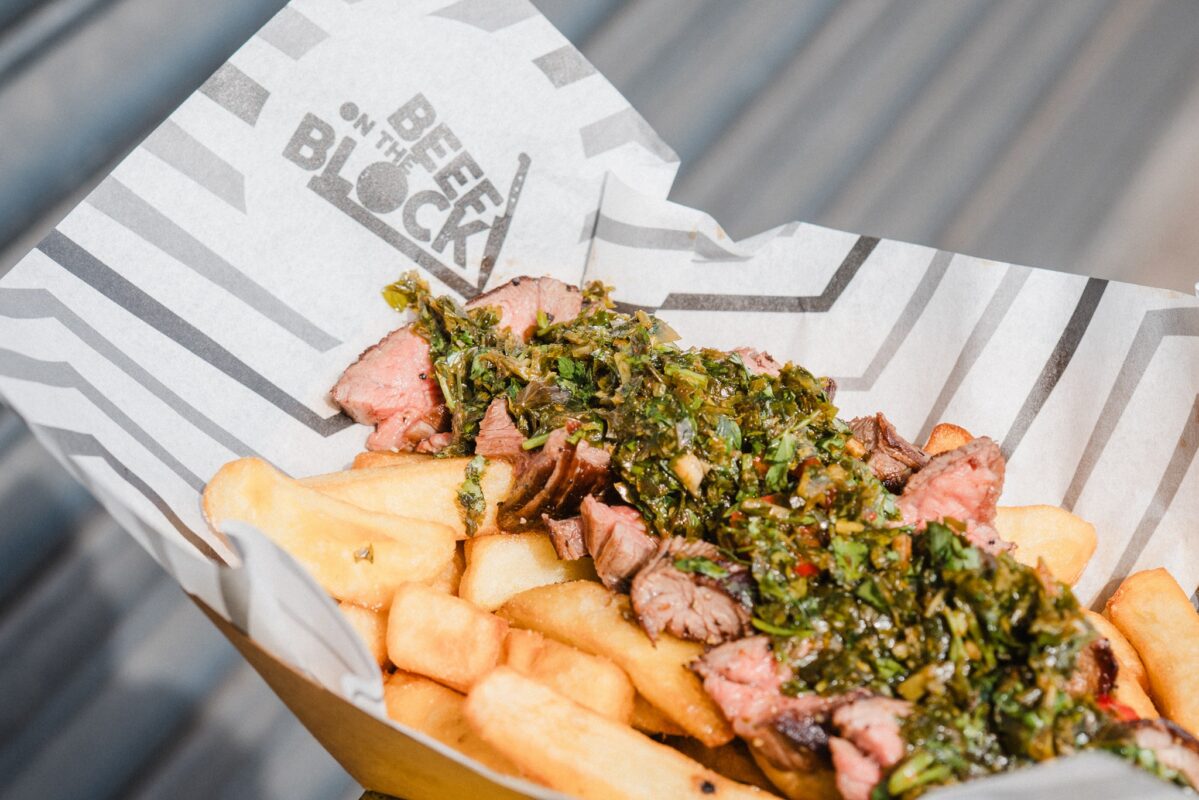
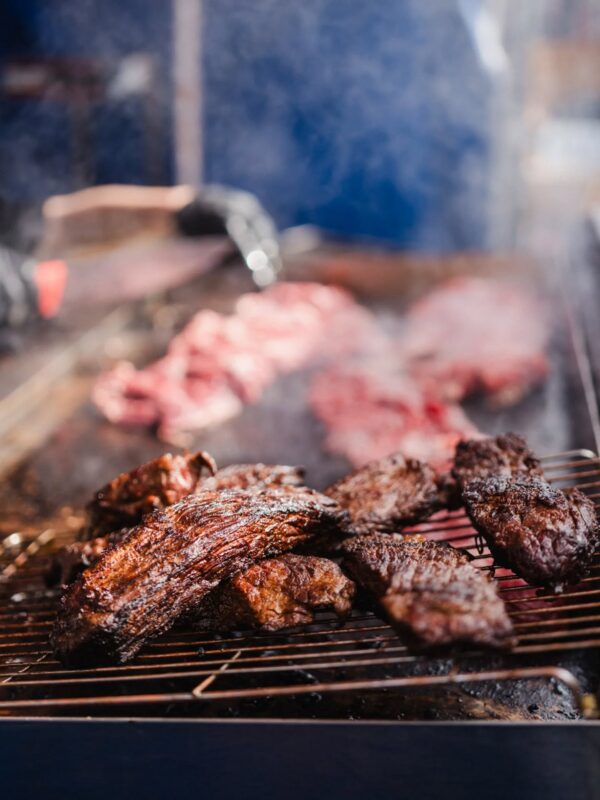
With steak and chips, we were obviously always going to charge more than your average street food trader. Our steak costs a ridiculous amount now so I have always been of the opinion that it’s better to sell a premium product to justify the price. People don’t mind paying a bit more for steak if they know where it’s from and what butchers you use – and you really can taste the difference.
Street food is as much about branding and presentation as it is about flavour. How did you approach building the Beef On The Block brand and identity?
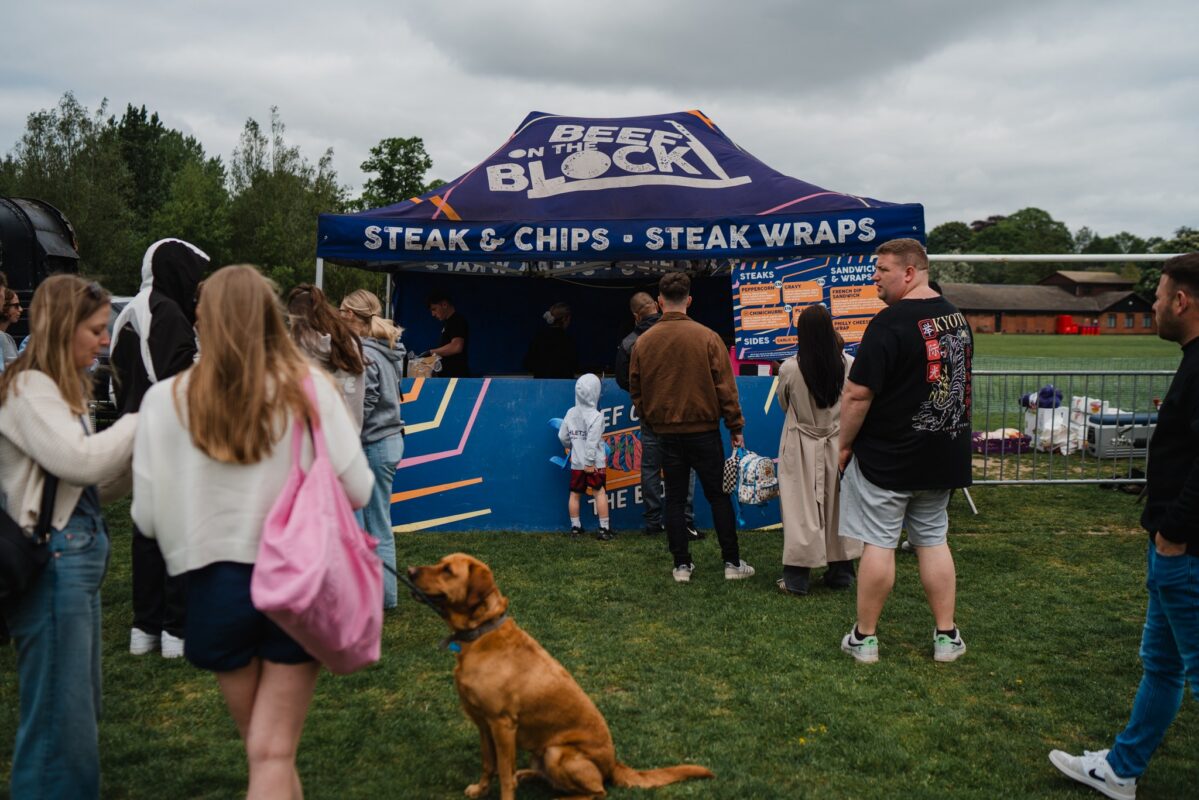
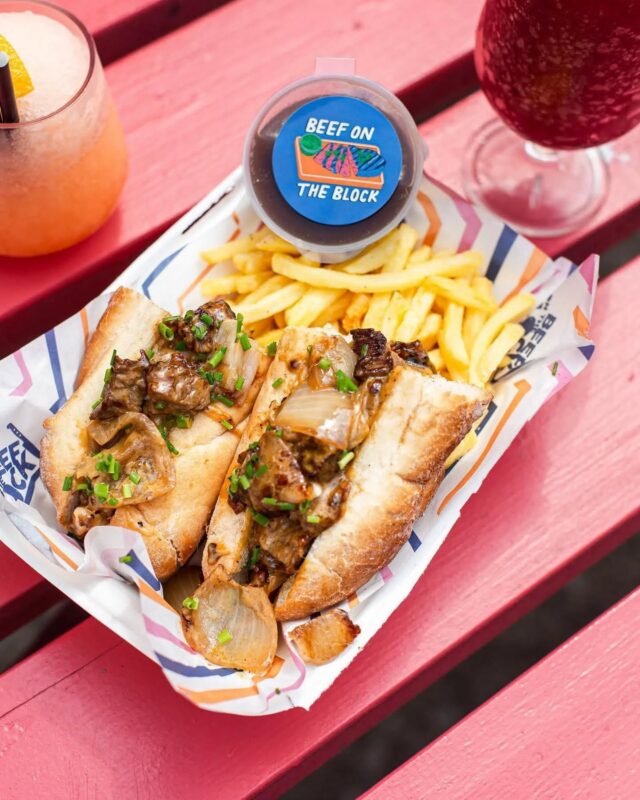
My background was in art, so I have always had a big interest in design and branding. When people walk on site to an event they decide where to walk to from a long way away, so how you look is so important. I wanted to go really colourful and fun as I thought it was a reflection of the brand – we aren’t a serious ‘chef-y’ company so going for the typical minimalist look that many steak brands do wouldn’t have suited us.
Street food often celebrates simplicity done well. How do you approach creating a menu that’s simple but consistently high quality?
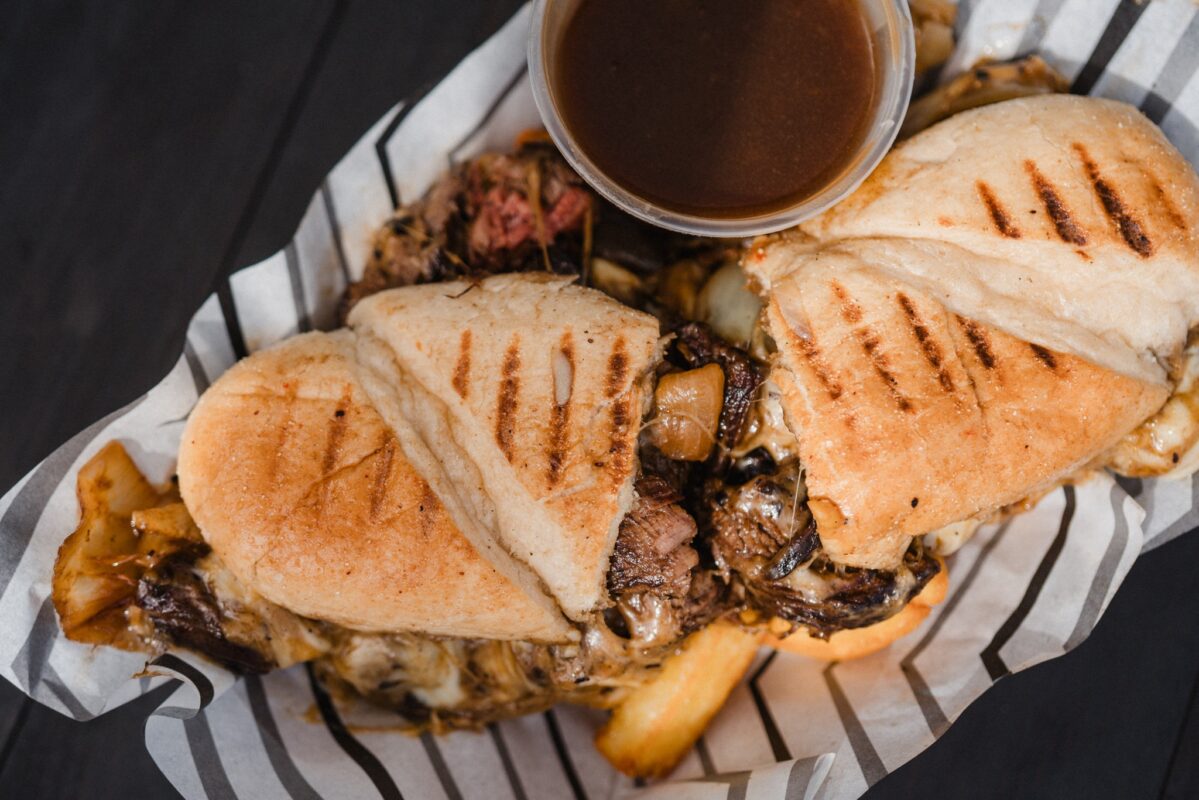
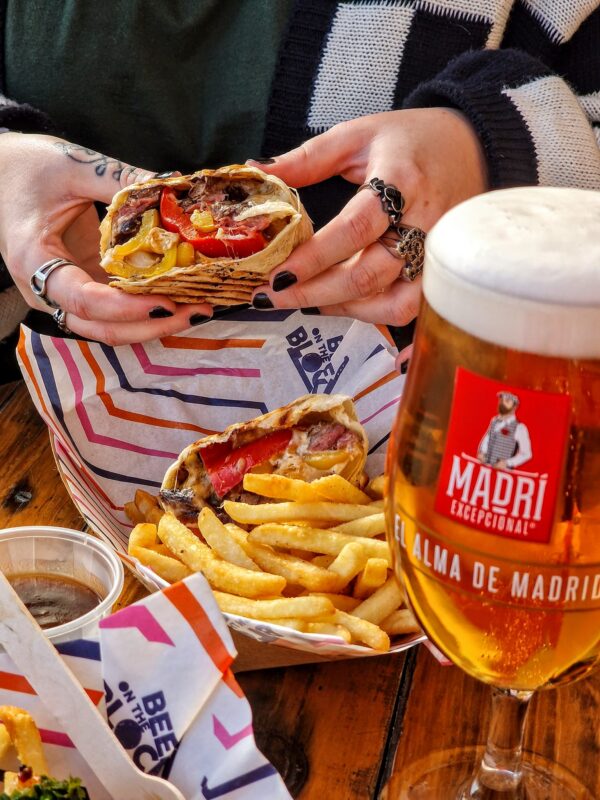
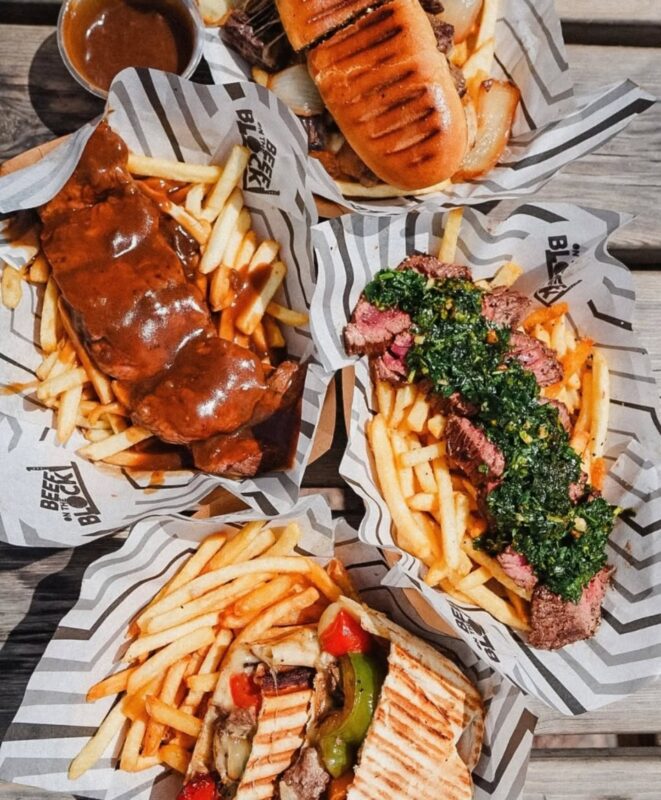
I’ve always said the smaller the menu the better and I’d say that to any new trader. When I started I just did steak and chips and it definitely helped us, as it allowed us to make sure every single dish was amazing whilst we were still learning our trade. It wasn’t until year three that I added a sandwich and a wrap, and now in year seven I have one more dish on top of that. Four options feels about right and I think its been a reason we are so popular.
Within a year of launching, the brand gained significant momentum. What do you think helped Beef On The Block stand out in such a competitive street food scene?
The fact there was no Midlands steak trader helped for sure. We kind of seamlessly dropped into most events immediately as there was no competition at all, there’s a couple more now but there’s still less than other cuisines – probably because of the price of steak. I always said when I started “make good food first and the money will come naturally after” that, I definitely sacrificed margins for quality when I started out to make a name for ourselves – cheap prices, big portions, being super friendly at the till, feeding dogs at events – it all helps in the end as people will come back!
You regularly work with Digbeth Dining Club and have held a long-term residency at Baltic Market. How have those partnerships shaped your growth?
DDC are great as they give you regular work all year round and doing the big music festivals has not been something I’ve been particularly interested in – I’ve tried it a few times and it’s not for us really. We love doing the one day food festivals so working with DDC is perfect. We’ve not been at Baltic for 18 months now – we did three years there and loved every second of it and it was such a cool experience. We are moving in to Boxhall City at Liverpool Street Station at the end of March which is really exciting.
You’ve catered for major brands and events including Primark, Silverstone Circuit, McCain Foods, the British Grand Prix, Aston Villa F.C. and Cheltenham Festival. What has it been like taking a street food brand into those large-scale environments?
They’re a great challenge and great to know big brands want to work with us. They’re hard work but we love it and now we’ve got our new food truck it’s something we’d like to push on doing more of.
Your aim is to offer one of the most affordable plates of steak and chips around. How do you balance keeping prices accessible while maintaining premium ingredients?
It’s getting a lot harder. Steak has more than doubled in price per kilogram since COVID, and it would be even more if we didn’t order the quantities we do. We are lucky we are quite established so people don’t mind paying what they do as they know they’re getting a nice dish. I think most people are pretty sympathetic to the climate now and understand the price is what it is for a reason and not because we are blindly profiteering.
How important are relationships with farmers and suppliers to the way you run the business?
I think with the way things are at the moment, everyone is struggling – it’s important to just be as easy to work with as possible and to just be really honest with the people you’re buying and selling off. Business owners are understandably really stressed at the moment so I think now more than ever it’s about trying to work together until it gets better. Things like payment plans on invoices are becoming more and more prevalent which shows people want to try and work together and are understanding.
What’s next for Beef On The Block?
We’re opening at Boxhall City, a BOXPARK venue at the end of March, which is daunting but so exciting. We’ll keep chipping away in the Midlands with our food truck.
Follow Beef on the Block:

 Featured Training
OUR MEMBERSHIP
We're here to help make your catering business a success. Whether that be starting up or getting on top of your compliance and marketing. We're here to help you succeed.
Want our latest content?
Subscribe to our mailing list and get weekly insights, resources and articles for free
Get the emails