

Christmas is the busiest time of the year for hospitality workers and an opportunity to rake in a respectable profit. It’s also when everything that can go wrong will choose to go wrong. A supplier failure in July is inconvenient. The same failure on 23rd December when you’ve got 120 covers booked is catastrophic.
The difference between a successful Christmas and a disaster often comes down to what you’ve planned for before the pressure hits. Here’s how to build contingency plans that actually work when you need them.
Understanding Your Christmas Risks
Before you can plan for problems, you need to know where your vulnerabilities lie. For most independent hospitality businesses, Christmas risks fall into several categories.
Staff availability and reliability
Your team will face illness, family emergencies, transport disruptions, and the inevitable few who simply don’t show up during the busiest fortnight of the year. Christmas parties mean hungover staff. Winter weather means delayed or absent staff. December bugs and flu spread fast in hospitality environments. One sick team member can become five within days. Plan for it.
Supply chain disruptions
Suppliers get overwhelmed in December. Deliveries run late, orders get mixed up, produce quality drops when demand peaks, and your regular items suddenly become unavailable. Your butcher’s Christmas orders will be triple their normal volume and your turkey crown might not arrive when promised. Add winter weather into the mix and supply chains become genuinely fragile. Heavy snow, ice, or flooding can shut down deliveries entirely for days. A cold snap in Europe affects fresh produce availability across the UK within 48 hours.
Equipment failures
Fridges, freezers, ovens, dishwashers, and coffee machines are working overtime during Christmas. They break when you’re pushing them hardest. A broken glasswasher on a quiet Tuesday is manageable. On Christmas party season Friday night, it’s a crisis.
Booking and capacity management
No-shows spike during Christmas, but so do walk-ins expecting tables. Groups arrive with unexpected extra guests. People stay longer than anticipated. Deposits don’t prevent problems, they just compensate for them.
Cash flow and payment systems
Card machines fail. Your EPOS system crashes during your busiest service. Suppliers demand payment upfront or COD during December when trust is thin and everyone’s stretched. Your own cash flow can be strained by stock buying while waiting for bookings to settle up.
Building Staff Contingency Plans
Your team is your most critical asset and your biggest vulnerability during Christmas.
Prepare for winter illness outbreaks
December respiratory illnesses are inevitable in hospitality. Norovirus, flu, and heavy colds spread through teams rapidly when everyone’s working long hours in close proximity. Encourage sick staff to actually stay home, as one person working through illness can take down half your team within a week. Have clear sickness policies that don’t penalise people financially for doing the right thing, or you’ll have infectious staff infecting customers and colleagues.
Stock basic medical supplies
Keep cold and flu remedies, paracetamol, throat lozenges, and hand sanitiser readily available. It won’t prevent illness, but it shows you care and helps staff manage mild symptoms. Have tissues and bins easily accessible.
Create a call list
Build a clear hierarchy of who gets called first when someone doesn’t show. Include former staff who might pick up shifts, reliable casuals from other venues, and even friends or family who know the basics. Update phone numbers before December starts and make sure every manager has the full list.
Cross-train relentlessly in November
Your head chef shouldn’t be the only person who can work your mains section. Bar staff should know basic table service. Front-of-house supervisors should be able to jump on the pass if needed. The more flexible your team, the more resilient you are to absences.
Identify which roles you absolutely cannot cover internally
If your head chef is sick on Christmas Eve, who cooks? If your bar manager doesn’t show for Saturday night, who runs the bar? For these critical roles, have specific backup people identified, ideally with an informal agreement that they’re available for emergency calls. Pay them a small retainer if necessary.
Build buffer time into rotas
Bring staff in 30 minutes earlier than strictly necessary during peak Christmas periods. Have overlap between shifts. The cost is small compared to the chaos of running short-staffed when someone’s running late due to December traffic or weather.
Plan for weather-related staff absences
Snow and ice can make commutes impossible, particularly for staff relying on public transport or living in rural areas. Know which team members have the longest or most weather-vulnerable commutes. During severe weather warnings, consider arranging accommodation nearby, offering lifts, or having them stay with local team members. Some businesses arrange taxi shares during extreme weather.
Map your team’s locations
Understand where everyone lives relative to your venue. If heavy snow is forecast, you’ll know immediately who might struggle to get in. Staff who live walking distance become more valuable during weather disruptions. So acknowledge this and potentially incentivise them to cover weather-affected colleagues.
Have a service reduction plan
Know exactly what you’d cut if you were down to skeleton staff. Which menu items could you cut to make life manageable? Which sections could you close? How would you communicate this to guests already booked? Write it down before you’re in the crisis.
Supply Chain Protection
You cannot rely on your normal supplier relationships working perfectly during Christmas. They’re under pressure too. Add unpredictable British winter weather and supply chains become genuinely vulnerable.
Understand weather impact on your supply chain
Where do your suppliers source from? If your fresh fish comes from Scotland and snow shuts the A1, you won’t get deliveries. If your salad supplier depends on Spanish imports and storms shut Dover, your menu changes. Know your supply chain geography and its weather vulnerabilities. Follow weather forecasts and supplier communications actively during December.
Build in weather-related supply buffers
When heavy weather is forecast mid-week, bring forward any weekend deliveries you can. Accept earlier deliveries of items that can be safely stored. Your Friday fish order arriving Thursday instead gives you options if Friday’s delivery gets cancelled. This requires more stock holding and earlier prep, but it protects service.
Have weather-appropriate backup menu plans
Design alternative dishes using ingredients less vulnerable to weather disruption. Frozen, ambient, and British-sourced items become more reliable than fresh imports during bad weather. Your backup menu might feature more root vegetables and less leafy greens, frozen fish instead of fresh, British cheese instead of European.
Double up on critical suppliers
Identify your essential items, AKA, the things that would stop service if unavailable and ensure you have a backup supplier for each. This means building relationships in November, not scrambling on 20th December. Your primary butcher should know you’ve got a secondary relationship, and vice versa. This keeps everyone honest.
Order earlier and over-order strategically
Place Christmas orders as early as suppliers allow and build in buffer stock where you have storage. Yes, this ties up cash and space but running out of fundamentals costs more. For items with long shelf life or that freeze well, order 20% more than your forecast.
Confirm everything twice
Phone to confirm your order the day before delivery is due, especially for Christmas-critical items. Get names. Make notes. Trust nothing to assumption during December.
Know your emergency suppliers
Where’s the nearest cash and carry? Which wholesaler delivers same-day? What time does the big supermarket open? Who’s open Christmas Eve if you need emergency supplies? Have this information written down with addresses and phone numbers. Save it somewhere everyone can access it.
Keep a simplified menu ready
Design a simplified emergency menu that uses ambient, frozen, or long-life ingredients you can keep stocked. If your fresh fish order doesn’t arrive Friday morning, you need to know exactly what you’re switching to and how to inform guests professionally. During severe weather, being able to serve at all puts you ahead of venues that close.
Monitor weather and supplier status actively
Check forecasts daily during December. Set up a group chat with key suppliers to get real-time updates on deliveries during adverse weather. The earlier you know about disruption, the more options you have. A Thursday evening text saying Friday’s delivery won’t make it gives you time to source alternatives or adjust bookings.
Equipment and Facilities Backup
Service everything in November. Get your ovens, fridges, freezers, dishwashers, coffee machines, and EPOS systems professionally serviced before the Christmas rush. Don’t wait for your annual service schedule, pay for an extra check. A £200 service call now beats a £2,000 emergency callout on 23rd December.
Know your emergency repair contacts
Have phone numbers for 24-hour emergency appliance repair, electricians, plumbers, and locksmiths saved in multiple places. Make sure all managers have these numbers.
Stock emergency supplies
Keep backup fuses, light bulbs, basic tools, duct tape, zip ties, and anything else you’ve needed in an emergency before. A blown fuse shouldn’t end service because nobody knows where the spares are.
Have manual backup systems
If your EPOS system crashes, can you still take orders and payments? Keep paper order pads, carbon copy receipt books, and a manual card machine available. Practice the manual process with staff before December.
Identify alternative space solutions
If your walk-in fridge fails, where’s the nearest cold storage you could rent for 24 hours? Which neighbour has freezer space? Can you store critical items in staff fridges at home overnight? These conversations should happen before the emergency.
Managing Booking and Capacity Issues
Christmas bookings create their own special chaos.
Take meaningful deposits
Non-refundable deposits for December bookings should be substantial enough to matter – at least 50% for large groups and ideally full pre-payment for Christmas Day and New Year’s Eve. Make your cancellation terms crystal clear in writing.
Prepare for walk-ins and unexpected guests
Keep a few tables unreserved for walk-ins even during busy periods, they’re high-value opportunities. Have a clear system for handling groups that arrive with extra people. Can you squeeze them in? What’s the communication to other guests if it impacts them?
Create a waitlist management system
When you’re fully booked, capture walk-in contact details and offer to text if space becomes available. This turns away disappointed customers into potential guests and gives you options when bookings cancel.
Cash Flow and Payment Contingencies
Money problems during Christmas can sink your entire year.
Have payment system redundancy
Use multiple card payment providers if possible. Keep a backup manual card machine. Ensure you can take bank transfers and have clear signage with your account details. If your main card machine fails, you need options within minutes, not hours.
Negotiate payment terms with suppliers early
Talk to your key suppliers in November about December payment arrangements. Can you extend terms slightly? Can you make partial advance payments to secure good faith? Getting ahead of these conversations prevents nasty surprises when suppliers demand cash on delivery.
Keep a cash reserve accessible
Have actual cash available during Christmas week for emergency purchases, staff tips, or sorting small problems quickly. A few hundred pounds in petty cash plus knowing where your nearest ATM is can solve problems that would otherwise escalate.
Know your emergency funding options
If cash flow becomes critical, what are your options? Business credit card limits, overdraft arrangements, even personal funds if necessary. Understand these options before December, not during a crisis.
Communication Plans for When Things Go Wrong
The contingency itself matters less than how you communicate when you need to use it.
Inform guests as early as possible
If you need to cancel bookings, change menus, or close sections, tell people immediately. A phone call is better than an email. An email is better than them discovering it on arrival. Taking time to communicate well prevents negative reviews and protects your reputation.
Offer solutions, not just apologies
“I’m sorry we can’t accommodate your booking” leaves guests angry. “I’m sorry we can’t accommodate your booking, but I’ve called three similar venues nearby and X has availability at 7pm—shall I book it for you?” shows you care. Always provide options.
Empower staff to solve problems
Give your team clear authority to comp drinks, offer discounts, or make judgment calls during December. Having to find a manager for every small issue slows everything down when you’re busy. Set clear financial limits and trust your people.
Control the narrative on social media
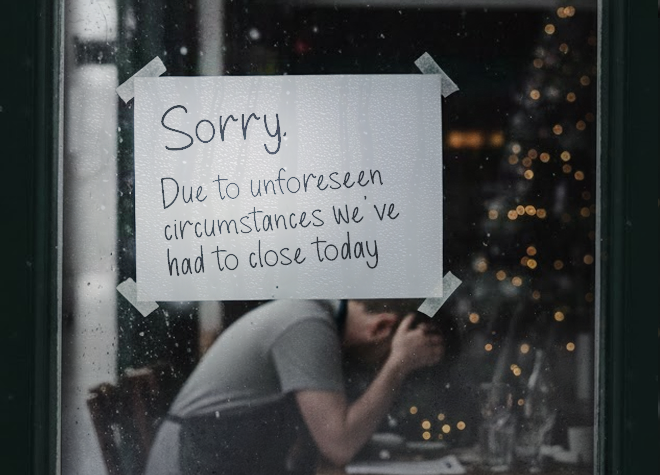
If something goes significantly wrong, such as equipment failure forcing closure, a supply issue affecting service, then post about it proactively on your social channels. Be honest, apologise for the inconvenience and explain what you’re doing to fix it.
Testing Your Contingency Plans
Run scenario drills in November
Walk your team through different emergencies. “The head chef just called in sick, what happens?” “We’ve just lost power, what do we do?” “A party of 12 just arrived but we have them down for party of 8, how do we handle it?” Practice the responses while there’s no pressure.
Review your plans with your team
Don’t keep contingency plans in your head or locked in the office. Make sure everyone knows where emergency contact lists are, who has authority to make decisions, and what the key backup procedures are.
Learn from previous years
What went wrong last Christmas? What nearly went wrong? Build your contingency plans around your actual vulnerabilities, not theoretical ones.
The Real Insurance Policy
The best contingency plan is having enough margin built into everything that small problems don’t become catastrophes. That means adequate staffing levels, proper stock buffers, realistic bookings, and honest scheduling.
Contingency planning isn’t about expecting failure, it’s about respecting how demanding Christmas is and refusing to let preventable problems ruin your most important trading period.

 Featured Training
OUR MEMBERSHIP
We're here to help make your catering business a success. Whether that be starting up or getting on top of your compliance and marketing. We're here to help you succeed.
Want our latest content?
Subscribe to our mailing list and get weekly insights, resources and articles for free
Get the emails