
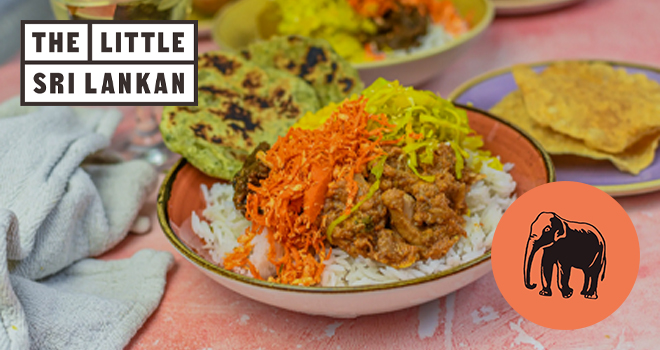
Great food gets people through the door once. What brings them back? For Little Sri Lankan, the answer involves personal connections, consistent quality, and a social media strategy that actually translates into busy trading days. But behind the sold-out supper clubs and growing customer base is a lot of work that has nothing to do with cooking. We asked them about the realities of running a food business, the challenges, the learning curves, and what they wish they’d known from day one.
What role does your website and social media play in attracting new customers and encouraging people to visit in person?
Our website and social media are crucial for discovery and awareness. The website boosts our local Google search visibility, while both platforms help build trust by showing that we’re professional and passionate about what we do. Sharing customer reviews on social media encourages people to visit, and collaborating with local journalists and food influencers has been key to spreading the word about Little Sri Lankan.
Are there specific types of content that resonate most with your audience?
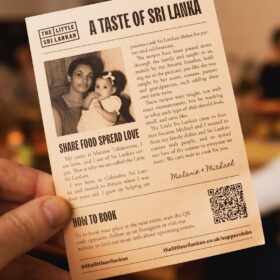
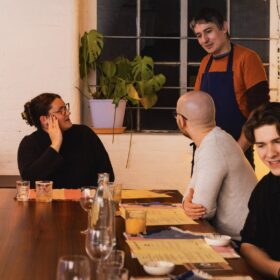
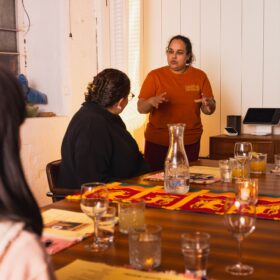
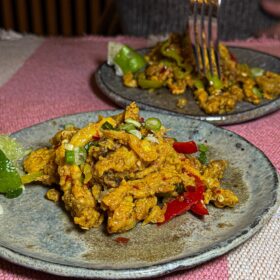
Storytelling and behind-the-scenes content really connect with our audience. They give people an insight into what we do, and there’s so much depth and history in Sri Lankan cuisine that people genuinely enjoy learning about the food and the culture behind it.
How do you turn first-time visitors into repeat customers, both online and in real life?
Great hospitality and consistency are everything. We make an effort to get to know our customers personally and always go the extra mile to give them a special experience when they visit us.
Have you noticed a direct link between online engagement and busier trading days or events?
Absolutely. High engagement on social media has translated into busier trading days. It’s helped us sell tickets for supper clubs and has been crucial for attracting people to our pop-ups.

Looking back, what were some of the biggest learning curves when starting and growing Little Sri Lankan?
One major challenge has been getting pricing right, especially with rising ingredient costs. We want to stay accessible to customers while ensuring the business remains sustainable.
Another challenge was navigating markets and street food events—we had no prior experience. Coming from restaurant and hotel backgrounds, setting up a stall, often in unfamiliar locations, was a completely new experience.
What do new food business owners often underestimate when launching, beyond just the food?
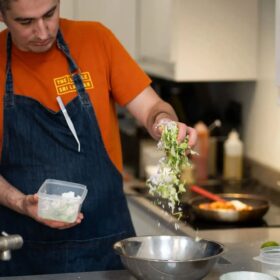
Many underestimate the behind-the-scenes work, from risk assessments and compliance to accounting tasks like invoices and tax returns—things you don’t usually handle as an employee.
How has NCASS helped you with the operational and compliance side of running your business?
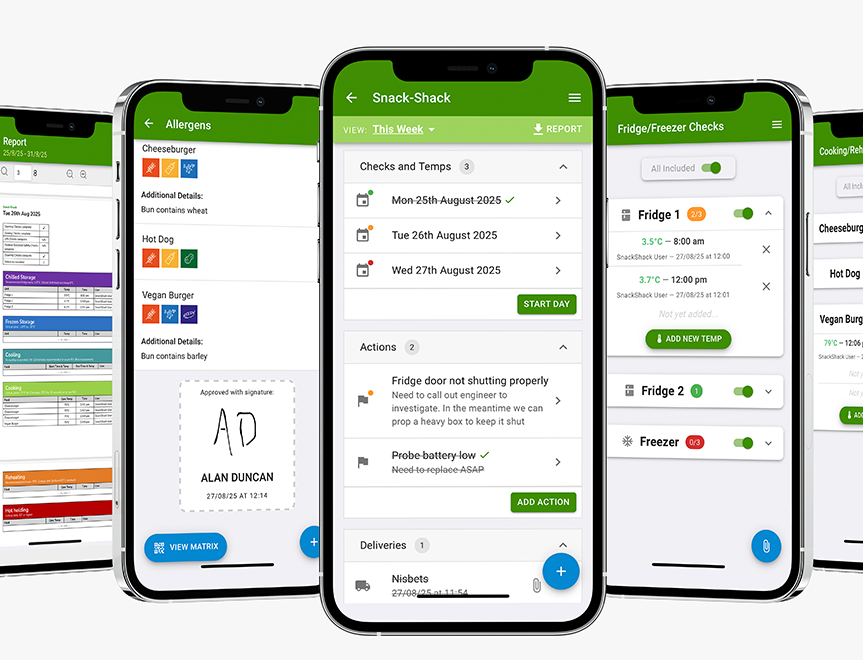
NCASS has been invaluable, especially for automatically generating risk assessments. It has saved us a huge amount of time and allowed us to focus more on growing the business.
If you could share one key takeaway from your journey so far, what would it be?
Don’t wait for things to happen to you—things happen when you take action and make them happen. This advice comes from my grandmother, and it’s been a guiding principle in everything I do.
Follow Little Sri Lankan:

 Featured Training
OUR MEMBERSHIP
We're here to help make your catering business a success. Whether that be starting up or getting on top of your compliance and marketing. We're here to help you succeed.
Want our latest content?
Subscribe to our mailing list and get weekly insights, resources and articles for free
Get the emails