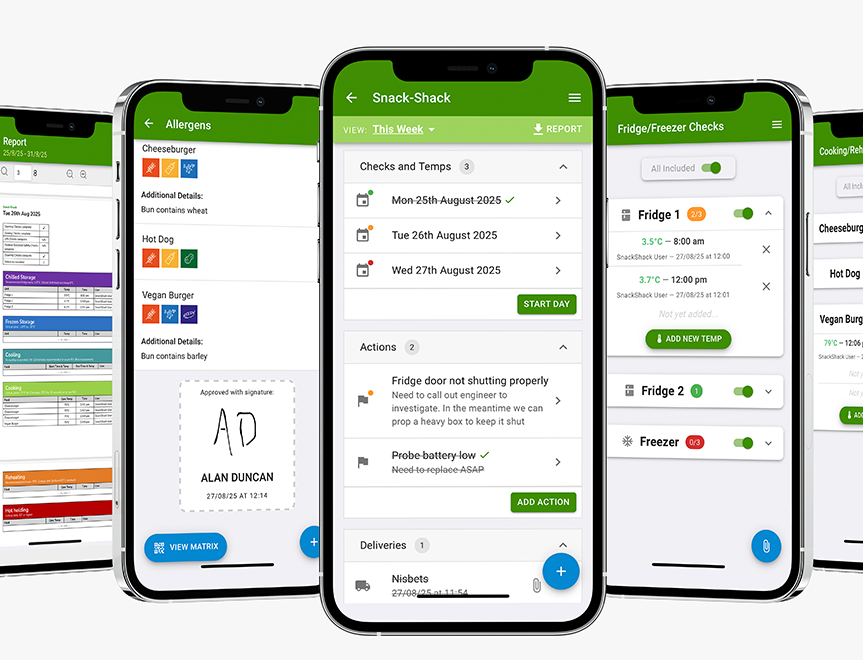
Digital Food Safety System
Save time, reduce hassle and keep your business inspection-ready.

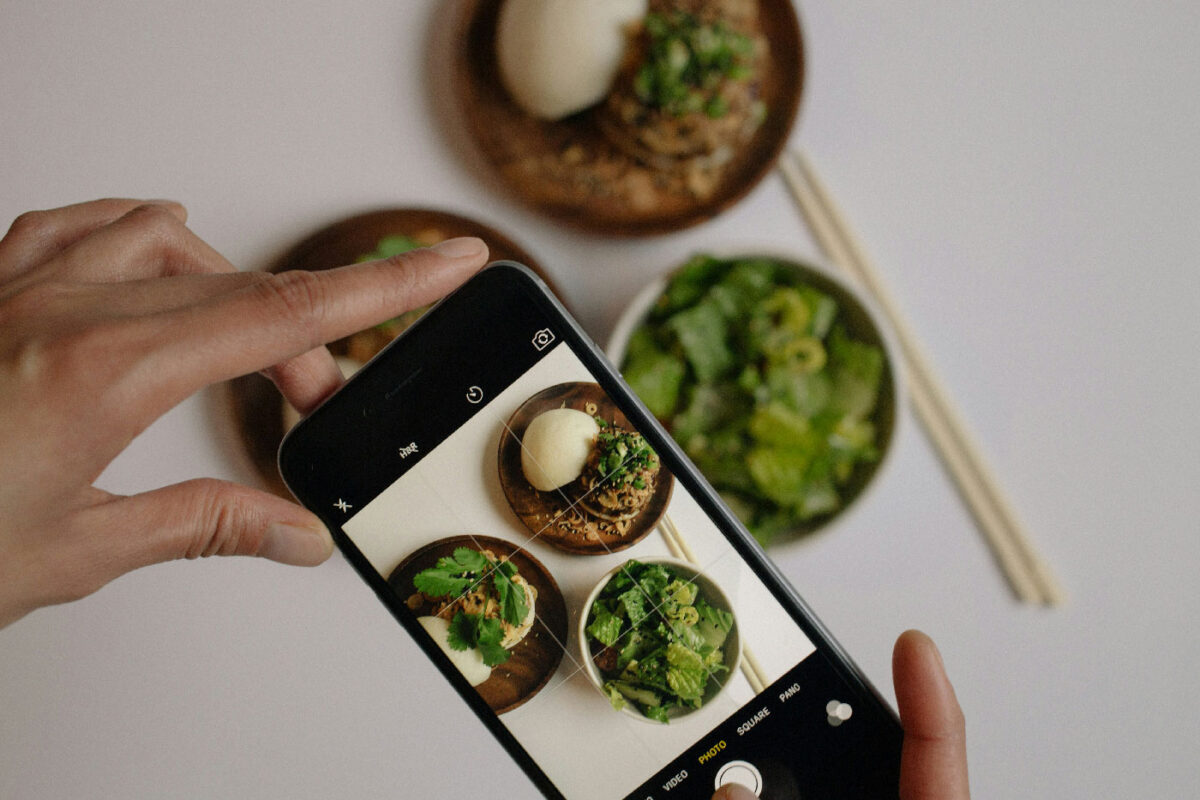
For many independent cafés, pubs and restaurants, social media feels like something that should help bring in customers – but often ends up feeling like another job on an already busy day.
The challenge isn’t usually a lack of content. It’s finding the time to post consistently, knowing what to share, and understanding which platforms are worth your attention.
The good news is that effective hospitality marketing doesn’t require viral videos, expensive campaigns or hours spent online. Small, consistent actions can help keep your venue visible, build familiarity with local customers and encourage more visits over time.
This guide covers the essentials:
Thinking of starting a business? Answer a few questions that will help us support you and others in your position going forward.
You don’t need major campaigns or deep discounts. A timely post can be enough to remind potential guests that you’re open, welcoming, and worth a visit. Many hospitality decisions are made on the same day – or even within the hour. People are choosing where to meet friends, work remotely, grab a drink, or dine out instead of cooking at home.
Social media helps your venue appear at the moment those decisions are being made. The goal isn’t to sell aggressively – it’s simply to stay visible.
The most effective posts during slower periods are usually the simplest because they feel current and real. Show what guests would experience if they visited right now:
✔ today’s specials
✔ a freshly prepared dish
✔ tables ready for service
✔ a welcoming corner of the space
Busy isn’t always better from a guest’s perspective. Many customers actively look for:
✔ relaxed lunches
✔ quieter coffee spots
✔ comfortable places to catch up or work
Perhaps you have a spot that is perfect for people looking to work on their laptop or sit in a corner reading a book. If so, a simple message like “A relaxed afternoon if you’re looking for a quieter spot today” can be more effective than a promotion.
Social media doesn’t always need to come from the brand voice. Sharing staff recommendations adds authenticity because they feel natural and help guests connect with the people behind the business:
✔ a team member’s favourite dish
✔ a bartender’s recommended drink
✔ what the kitchen is particularly proud of this week
Slow days often happen because customers forget midweek options. Use posts to gently highlight things people may not realise, not to introduce something new, but to reinforce awareness:
✔ weekday lunch service
✔ takeaway availability
✔ workspace-friendly seating
✔ dog-friendly areas
✔ easy parking or transport links
Preparation moments make strong content because they show care and attention without feeling promotional, and these glimpses help people picture the experience before arriving.
Examples include:
✔ dishes being prepared
✔ tables being set before service
✔ fresh ingredients arriving
✔ drinks being finished at the bar
When trade slows, the instinct is often to offer discounts immediately. But reduced prices aren’t always the solution. Many slow periods happen because people simply haven’t been reminded to visit. Visibility usually comes before promotion, and consistent posting can improve footfall without affecting margins.
Remember that consistency often matters more than creativity, you don’t need daily professional photography or detailed planning. A few honest, timely posts during quieter periods are enough to keep your venue present in people’s minds. Think of social media as a regular update rather than a marketing campaign.
Before posting, ask:
“Would this help someone decide to visit today?”
If the answer is yes, it’s probably worth sharing! You’re not trying to create perfect content, just regular reminders that your venue is open, welcoming, and worth visiting today. Small, consistent posts often make the biggest difference on slower days.

Subscribe to our mailing list and get weekly insights, resources and articles for free
One of the most common questions hospitality owners ask about social media is surprisingly simple:
‘How often should we actually be posting?’
Some venues worry they’re posting too much and annoying followers. Others worry they’re not posting enough and being forgotten.
Both concerns are understandable, especially when most social media advice online is written for large brands or full-time marketing teams.
The good news is that effective social media for cafés, pubs and restaurants doesn’t require constant content or daily posting.
What it does require is consistency and relevance.
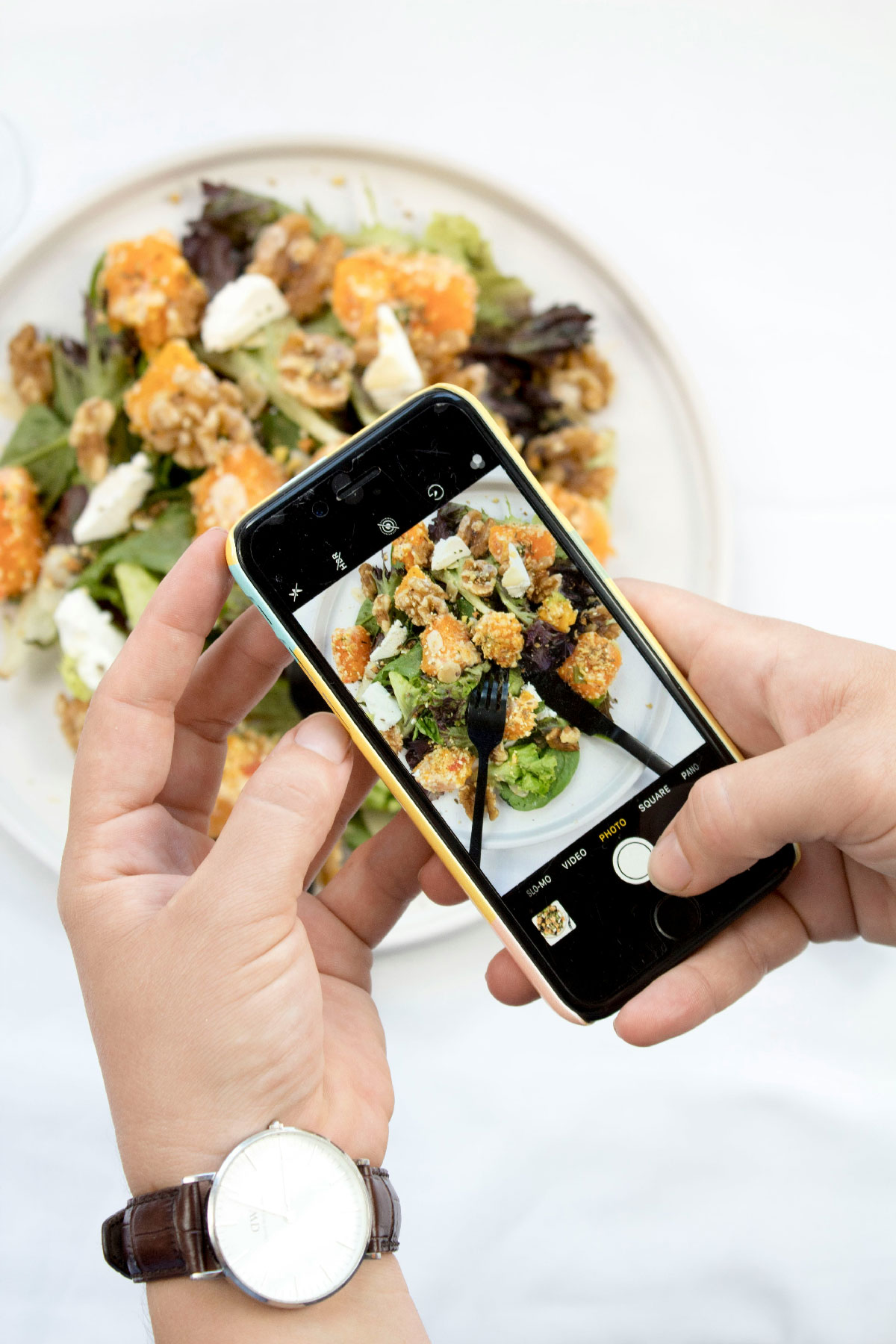
Social media works best when your venue appears regularly enough that people remember you. If months pass between posts, your business slowly fades from view. Guests might still like you, but they simply stop thinking about visiting.
On the other hand, posting several times a day rarely brings extra benefit for most independent venues. Guests don’t need constant reminders. They just need to see you often enough to stay familiar.
Many business owners assume success on social media comes from posting all the time. In reality, one useful or timely post can achieve far more than several rushed ones.
For hospitality venues, posts work best when they show something real:
✔ what’s happening today
✔ what guests can enjoy this week
✔ what the venue looks or feels like right now
These updates naturally fit into a regular rhythm without requiring large amounts of content.
For most independent cafés, pubs and restaurants, a simple schedule of two to four posts per week works well. This is enough to stay visible without turning social media into a full-time task.
For example:
✔ one post highlighting food or drinks
✔ one showing the atmosphere or space
✔ one reminder of something guests may forget (lunch, takeaway, events)
✔ an occasional update about what’s happening that day
This rhythm keeps your venue appearing regularly in people’s feeds.
Not every update needs to be a permanent post. Instagram and Facebook Stories are ideal for:
✔ daily specials
✔ short videos
✔ quick reminders
✔ availability updates
They take less effort and disappear automatically, which removes the pressure to create perfect content. Many venues will find that Stories fill the gaps between main posts naturally.
Posting frequency can vary depending on where your audience spends time:
Instagram
✔ 2-4 posts per week works well
✔ Stories can be used more frequently, daily for reposts
Facebook
✔ 1-3 posts per week is often enough
✔ useful for updates and local awareness
✔ occasional updates or photos help reinforce visibility in search results
The key point is that every platform doesn’t need constant activity. Choose the ones your target customers actually use.
Social media works through familiarity. Guests rarely visit because of a single post. Instead, they see your venue appear regularly over time – a photo of a dish one week, a lunch reminder the next, or a glimpse of a relaxed afternoon service.
The key is choosing a posting rhythm you can maintain. Daily posting isn’t necessary if it feels unsustainable. Posting a few times a week is often enough to keep your venue visible and top of mind.
The most effective social media habits fit naturally into your operations. A quick photo during prep, a short update before service, or a reminder about today’s special can help build familiarity and encourage future visits.
✔ stay visible in local feeds
✔ remind guests to visit
✔ show that the business is active and welcoming
It also prevents social media from becoming another pressure in an already busy environment. Small, steady updates build more long-term awareness than occasional bursts of activity.
Coming up with fresh social media content can feel difficult when you’re busy running a hospitality business. As a result, posting often gets pushed aside until weeks have passed without an update.
The good news is that you don’t need endless creativity to stay active online. Most cafés, pubs and restaurants already have plenty of content happening around them every day – you just need a simple way to spot it.
Instead of trying to create something new each time, focus on sharing the everyday moments that make your venue unique. Thinking in a few simple content categories can make planning much easier and help you generate weeks of post ideas in minutes.
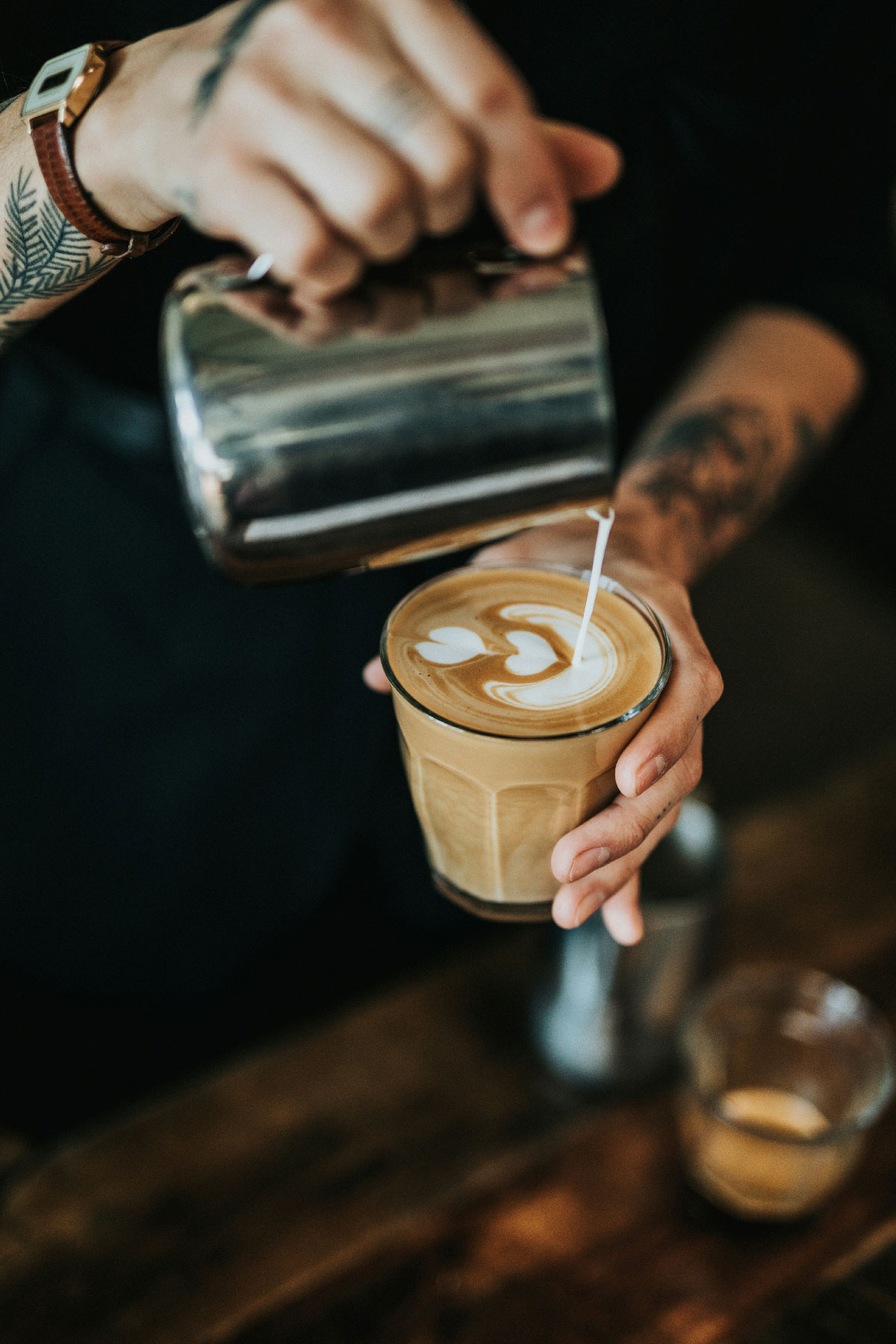
Pick a single menu item and show it properly. It might be your most popular dish or simply something that looks particularly good that day.
Ask someone on the team what they would recommend. Guests enjoy hearing what the people working there actually choose themselves.
Preparation is interesting, whether it’s coffee being poured, ingredients being chopped, or desserts being finished. These small behind-the-scenes moments often perform very well.
Take a simple photo of the space. A sunny window table, a cosy corner, or the bar ready for service. People like to see what the place feels like.
There are always dishes or drinks that people regularly come back for and a quick reminder of these can prompt someone to visit.
Guests sometimes forget what’s available during the week. Lunch service, quieter afternoons, takeaway options – these are useful things to mention.
If something fresh or seasonal is on the menu, it’s worth highlighting as it gives people a sense that the menu is changing and current.
Quiz nights, live music, special menus or tasting events all make good reminders. Even a short post can help fill tables.
These often photograph well and can quickly catch someone’s attention while they’re scrolling.
Sometimes the post can be as straightforward as reminding people you’re open. A photo of the venue and a short message welcoming guests for the day is often enough.
The aim of this approach isn’t to produce more content, it’s simply to remove the pressure of constantly trying to think of something new.
If you take a few minutes to build a short list of ideas, you’ll always have something ready to post when you have a spare moment. Social media becomes much easier when the ideas are already waiting.
Guests enjoy seeing regular glimpses of what’s happening in a venue and these types of posts help people picture the experience before they arrive. When someone is deciding where to go, familiarity often wins.
If you’ve read enough social media advice online, it can start to feel like you need to be everywhere at once. Instagram, TikTok, Facebook.
For hospitality businesses, that’s rarely realistic. When you’re running a café, pub or restaurant, social media usually happens between deliveries, service, cleaning, and everything else that fills the day.
The good news is you don’t need to be active everywhere. In most cases, doing one or two platforms well is far more effective than trying to keep up with all of them.
So, let’s look at the three most common platforms hospitality businesses use and what they’re actually good for.
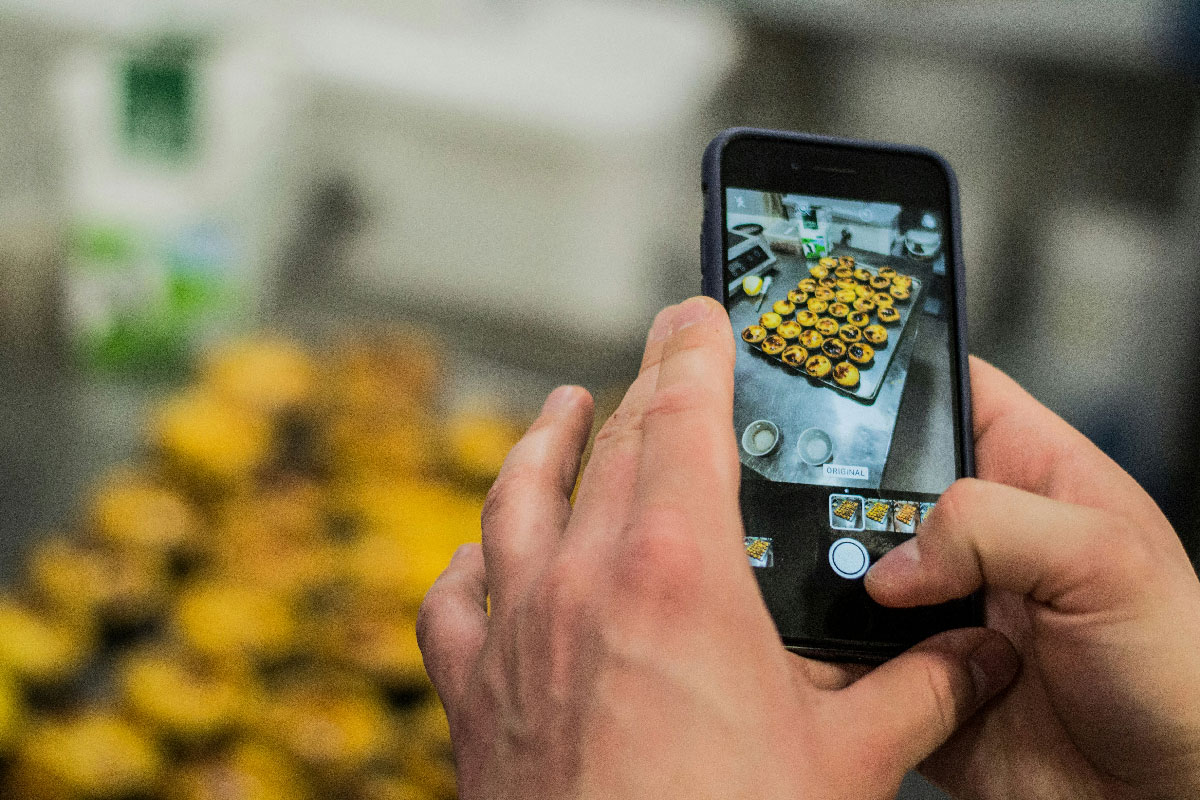
For most cafés, pubs and restaurants, Instagram is still the main platform.
People naturally use it to browse food, check out venues, and get a feel for places before they visit. A quick look at a venue’s Instagram often answers questions like:
That’s why Instagram works so well for hospitality. It’s built around visuals. Photos of dishes, drinks, the space, and small moments from service all fit naturally there. Stories are also useful for quick updates like daily specials or a reminder that you’re open.
For many venues, Instagram becomes the closest thing to a digital shop window.
TikTok has grown quickly, and there’s no doubt it can give businesses huge visibility when something takes off.
Short videos of food being prepared, drinks being made, or busy service moments can attract a lot of views. But TikTok works a little differently from the other platforms.
It’s more video-focused, slightly faster paced, and rewards regular posting. For some venues – especially those with younger audiences – it can work extremely well. For others, it can feel like more effort than it’s worth.
That’s why TikTok is often best treated as an optional extra, rather than something every hospitality business needs to prioritise.
It’s very common for hospitality businesses to open accounts on every platform, post enthusiastically for a few weeks, and then struggle to keep up.
Before long, the accounts sit mostly inactive, which is not only frustrating, but it doesn’t really help the business.
A better approach is to focus on one or two platforms you can realistically maintain. Regular posts on those platforms will do far more for visibility than occasional posts scattered across several channels.
Consistency matters much more than coverage.
It’s very common for hospitality businesses to open accounts on every platform, post enthusiastically for a few weeks, and then struggle to keep up.
Before long, the accounts sit mostly inactive, which is not only frustrating, but it doesn’t really help the business.
A better approach is to focus on one or two platforms you can realistically maintain. Regular posts on those platforms will do far more for visibility than occasional posts scattered across several channels.
Consistency matters much more than coverage.
We're here to help make your catering business a success. Whether that be starting up or getting on top of your compliance and marketing. We're here to help you succeed.
Find out more Request a call back


 Featured Training