





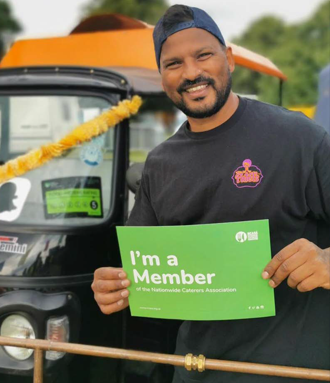
From delivery driver to festival favourite, the journey behind The Black Sheep Grill is one built on risk, creativity, and a passion for bringing people together through food. Born and raised in the Black Country, the founder combined nearly two decades of events experience with a love of bold flavours to create a street food brand known for fusion dishes, crowd-pleasing wings, and unforgettable festival moments.
What began as a leap of faith just before the COVID lockdowns has grown into a recognised name on the street food scene, blending Indian heritage, Caribbean inspiration, and event expertise into a unique food experience.
Founder, Simon Singh, shares the story behind the brand, signature dishes, lessons learned, and advice for anyone looking to enter the street food industry.
Tell us about your background and how you got into street food.
I’m Black Country born and bred. Before getting into street food, I worked as a FedEx delivery driver while organising events in my spare time. I’ve got around 17–20 years of experience in the events industry, from student raves to brunches, dinner dances, and more.
I eventually got tired of the rat race, and two weeks before COVID lockdowns began, I decided to move into street food full time. After a few months of testing dishes with friends and family, I knew it was the right move and planned my exit from my job.
Where did the name “The Black Sheep Grill” come from?
I’ve always been the black sheep of my family, which is why my events brand is called OneBlackSheep Events. Naturally, my food brand became The Black Sheep Grill. It didn’t take much thinking, it just made sense!
How did your menu evolve in the early days?
Like everyone, I wanted a menu that was completely different from everyone else’s, but I quickly learned that isn’t always practical or efficient.
I started with fried chicken because KFC was closed at the time, and I was inspired by a Krispy Kreme donut box – colourful, varied, and visually exciting. I wanted my dipped chicken presented the same way, with bold flavours and colours.
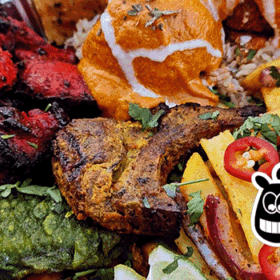
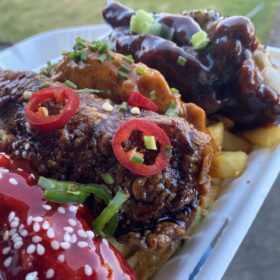
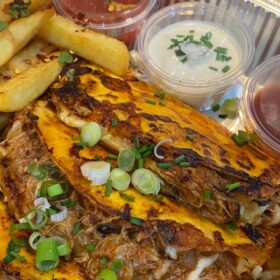
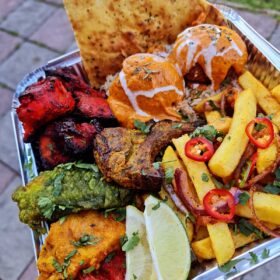
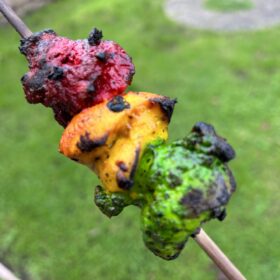
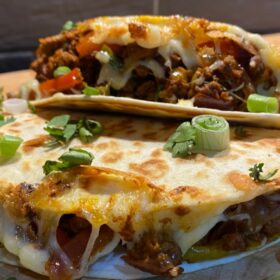
Being Indian made it easy to rework familiar dishes, which led to creations like my Chicken Tikka Traffic Light Kebabs. My tacos came from my love of Caribbean food and some amazing tacos I tried in London. At the time, there was nowhere in the Midlands selling tacos, so I created Pulled Jerk Chicken Tacos and they were an instant hit.
The mix grill menu came later for private parties. Delivered mix grills often lose quality – soggy naans, cold lamb chops – so we cook everything fresh on-site for functions of 70 people or more.
Which dish best represents your brand?
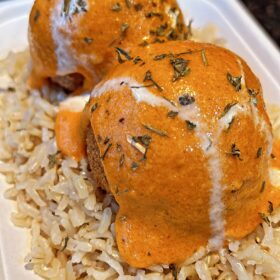
Our pulled jerk chicken represents us best, whether in tacos or loaded fries, because it reflects our fusion style.
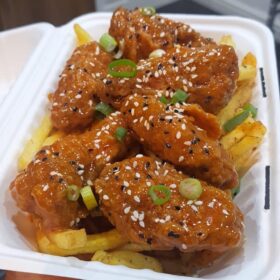
However, our most talked-about dish has been the Jameson Irish Wings – even before we attended our first wing festival.
How did the Jameson wings come about?
TGIF’s Jack Daniel’s sauce was hugely popular, but over the past 6–8 years Jameson whiskey became the go-to drink for many Indians who previously preferred Chivas or Dimple. Bacardi used to dominate, but Jameson quickly took over.
So creating a Jameson-based sauce felt like the obvious thing to try at the time and it worked.
What’s your most popular item right now?
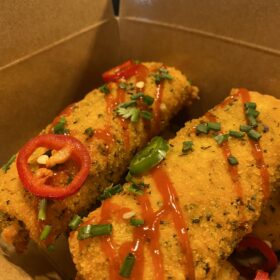
It’s very close between the Jameson Wings and the Pulled Jerk Chicken Loaded Fries.
Loaded fries are a safe choice for customers, but once people try the wings, they usually come back for more the same day, which is amazing to see.
How do you maintain consistency during busy services?
The best approach has been identifying who operates each station best and having them train others. Everyone develops their own efficient habits, so sharing those helps maintain consistency.
I also carry an extra thermometer and do random checks, especially when we’re busy, so no one feels pressured to rush food out just because there are 100 people watching.
Is there anything you refuse to compromise on?
The chicken, always.
I’ve tried cheaper products before, but they were pumped with water and ruined the quality, turning sauces watery instantly. I’d rather serve slightly smaller portions than lower the quality, especially with how competitive the industry is.
Do you adapt your menu depending on events?
Absolutely. We adapt our menu depending on the demographic of each event.
That can mean adding gluten-free or vegan options, or offering alternative taco fillings to meet religious requirements.
What’s the best part of working in street food?
Every day is different. No event is ever the same twice.
You meet amazing people, but the best feeling is hearing new customers rave about your food for the first time.
What are the biggest challenges?
Physically, scrubbing a fryer the next day after a gazebo setup is probably the toughest job!
Mentally, though, the financial pressure can definitely take its toll.
What’s been your best crowd reaction so far?
Artist Big Narstie once gave me a round of applause at a festival after trying our Jameson sauce – that was a huge moment.
What are your plans for the next two years?
I want to focus on festivals locally and nationally to build stronger brand recognition. Once that’s established, I’ll decide whether a permanent premises, trailer, or another setup makes the most sense.
Would you consider a permanent location?
Yes, but only if the menu could change seasonally. I wouldn’t want local customers getting tired of the same food all year round.
What advice would you give first-time street food traders?
Have at least a year’s worth of bills saved before starting.
Whether the business succeeds immediately or not, the last thing you want is for financial risk to affect your home or family because excitement made you overlook the possibility of losses.
Follow The Black Sheep Grill

 Featured Training
OUR MEMBERSHIP
We're here to help make your catering business a success. Whether that be starting up or getting on top of your compliance and marketing. We're here to help you succeed.
Want our latest content?
Subscribe to our mailing list and get weekly insights, resources and articles for free
Get the emails