
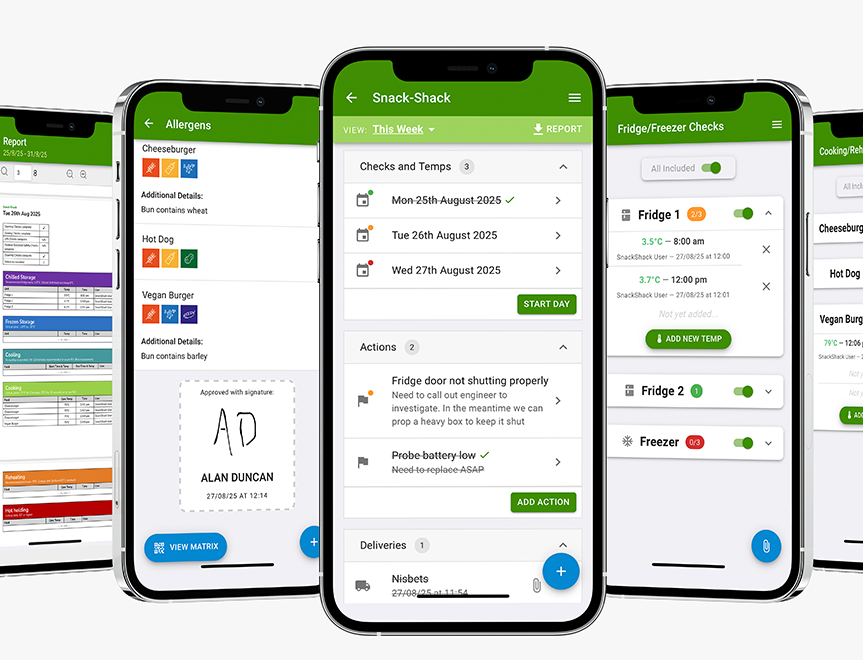
Digital Food Safety System
Save time, reduce hassle and keep your business inspection-ready.


A mobile coffee or tea business offers a flexible way to enter the catering industry, serving high-quality drinks directly to customers in a variety of locations.
If you’ve ever worked in office parks or industrial estates, you may be familiar with mobile coffee operators serving busy workers during the day. These businesses often become well-known locally and build strong repeat custom.
Mobile coffee businesses are popular due to relatively low start-up costs and strong consumer demand for quality coffee on the go.
They can operate from a wide range of vehicles, including vans, trailers, Piaggio units, vintage vehicles and specialist conversions. The choice of setup often depends on budget, trading style and target locations.

Mobile coffee or tea businesses can be started at a range of budgets. Some entry-level setups may begin from around £7,500 for basic conversions, while more advanced or franchise models can exceed £30,000 depending on specification and support.
Coffee culture in the UK continues to grow, with customers increasingly expecting high-quality, freshly prepared drinks on demand rather than instant alternatives.
Coffee and tea products can offer strong gross margins compared to many other food and drink products, which is one reason the sector has grown significantly in recent years.
Coffee and tea are in demand throughout the year, making this a less seasonal business model than many other catering options. Demand typically remains steady across most weather conditions and trading environments.
A mobile coffee business can be operated full-time or part-time, depending on your lifestyle. Operators may trade at events, markets, roadside pitches or fixed locations such as business parks.
Before starting any business, it’s important to understand your market, products, trading locations and operational requirements. Research helps reduce risk and improve decision-making when launching your business.
You will likely have many questions when starting out. Having access to experienced advice and guidance can help you make informed decisions and adapt where needed.
NCASS provides support and resources to help food and drink businesses get started and operate compliantly.
You must register your food business with your local authority before trading. You will also need appropriate insurance and compliance documentation depending on your setup and trading style.
There are many types of mobile coffee setups available, ranging from basic conversions to fully equipped specialist vehicles. Your choice will depend on budget and intended trading locations.
If you are handling food and drink, you will need appropriate food hygiene training relevant to your role and local authority expectations. Online training options are widely available.
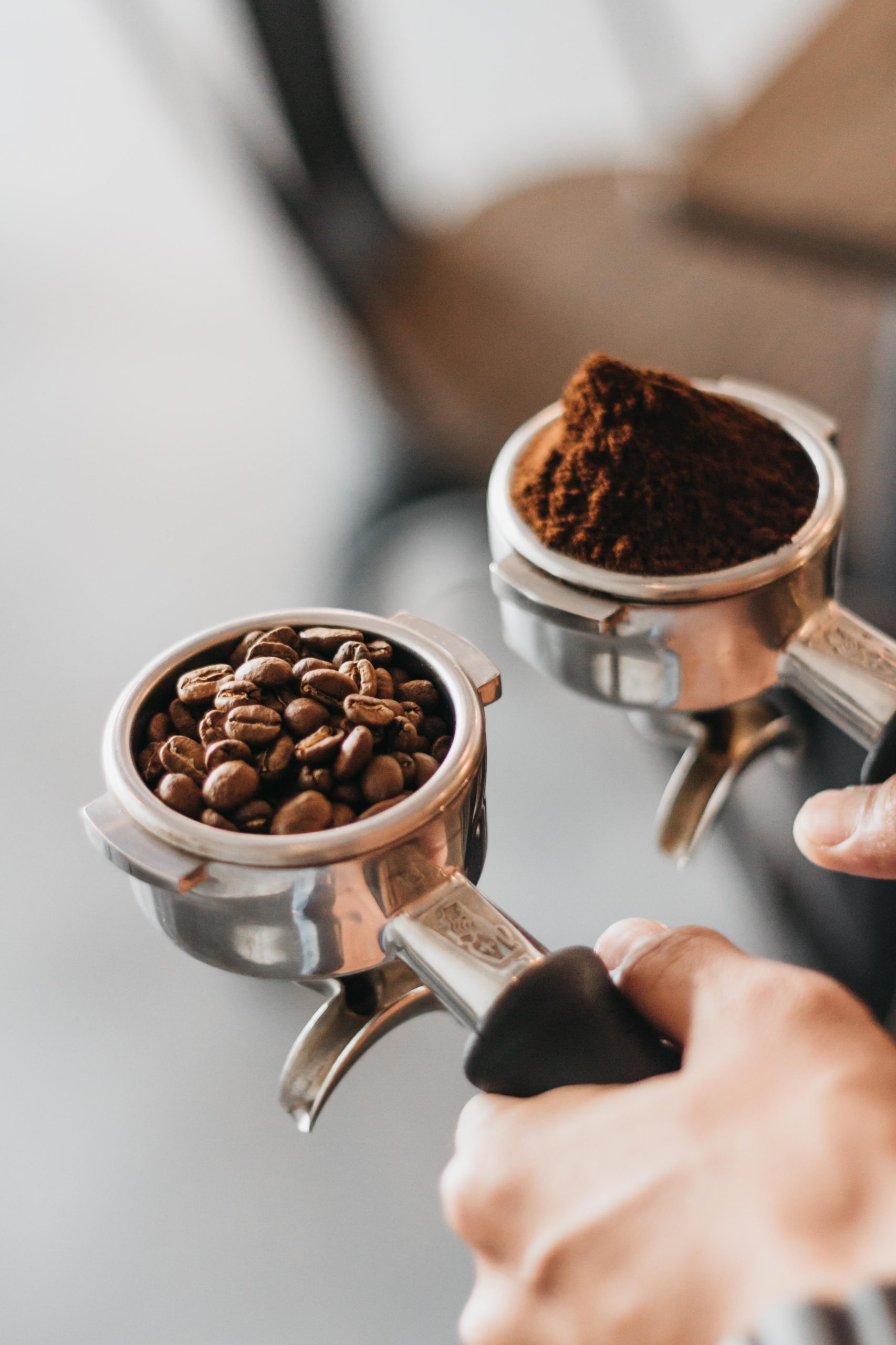
When purchasing equipment, it is important to ensure it meets relevant UK safety standards and is suitable for commercial use.
Equipment without appropriate conformity marking (such as CE or UKCA where applicable) may not be suitable for certification, which could affect your ability to trade compliantly or obtain necessary safety documentation such as gas safety certification.
Choosing the right trading locations is essential for success. Many operators use a mix of locations depending on demand and trading style.
You will need to register your food business with your local authority and meet relevant food safety requirements before trading.
Start-up costs vary widely depending on your vehicle, equipment and setup, typically ranging from lower entry-level conversions to more advanced business models.
Profitability depends on location, costs, pricing and trading consistency. Many operators achieve strong margins due to relatively low product costs.
Typical equipment includes coffee machines, grinders, water systems, power supply, and safe food storage systems depending on your setup.
Common locations include events, markets, roadside pitches and business parks, subject to permissions and licensing.

As recently as the mid-2000s, the term ‘ultra-processed foods’ – or UPFs – was only...
Festivals are all about the experiences. The moments. The memories. That is exactly what The...
Golden Cup Coffee have been serving up smiles and those oh so precious hits of...
In March 2020, as collective panic set in, Peter decided to rally for his community....
Pop up shops are popular all across the UK and for good reason –...
NCASS is part of the Erasmus+ project, Stimulating Healthy Food Service Innovation (SUSTAIN), working with...



 Featured Training