
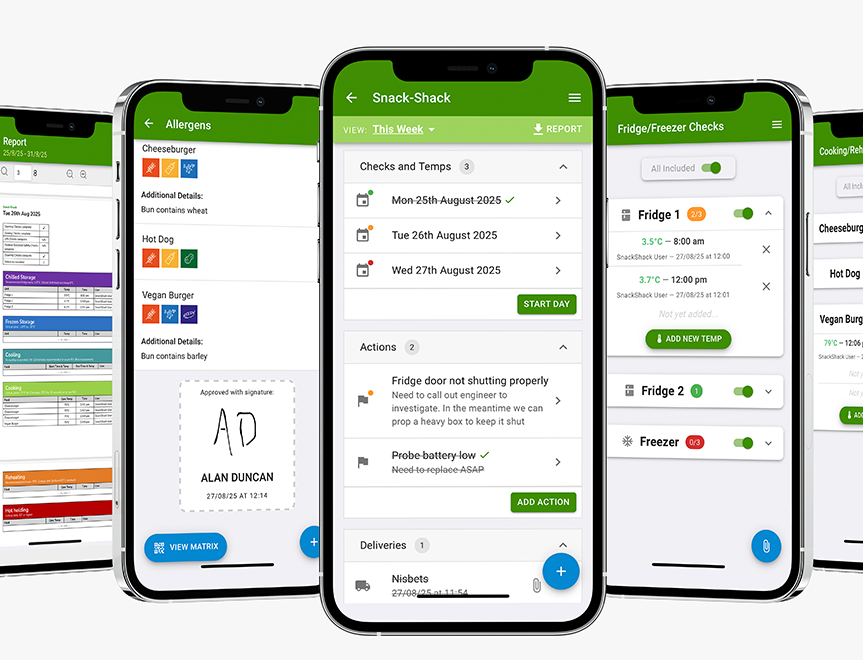
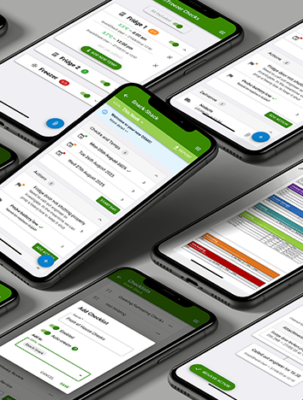
Digital Food Safety System
Save time, reduce hassle and keep your business inspection-ready.
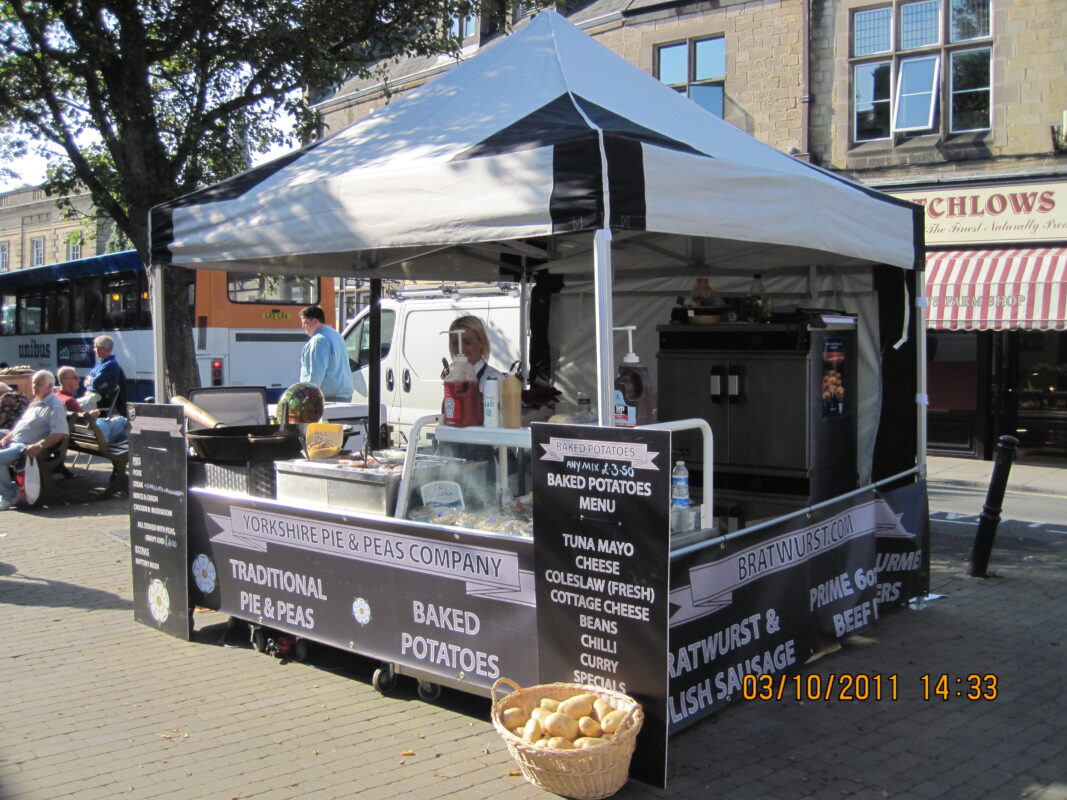
If you’re starting a mobile food business in the UK, one of the first and most important decisions you’ll face is how you’ll trade.
Should you invest in a food truck, start with a food van, build around a trailer, or begin simply with a gazebo or stall?
It’s a bigger decision than it might seem. Your setup affects:
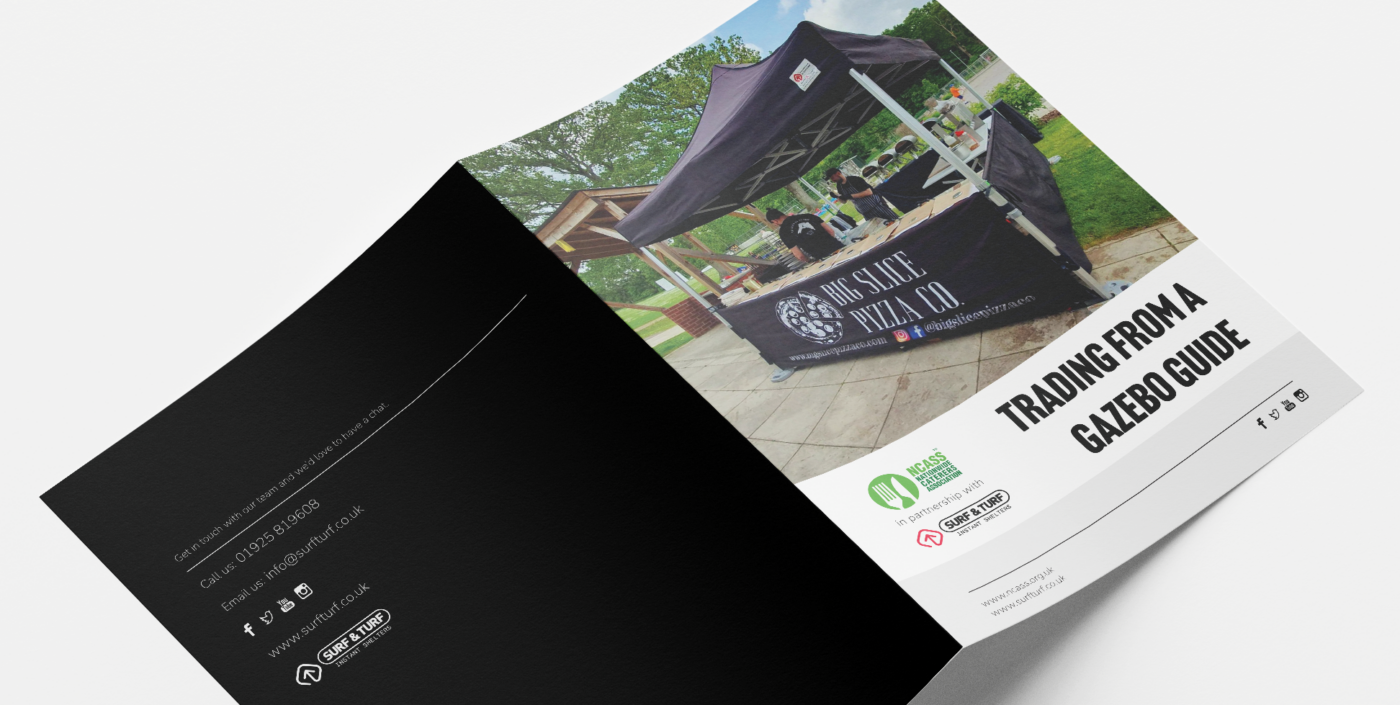

Subscribe to our mailing list and get weekly insights, resources and articles for free
Your budget will naturally narrow your options. Beyond the purchase price, remember to factor in:
A lower-cost setup (like a gazebo) can be a smart way to start without overcommitting financially.
Where your setup lives when not trading is often overlooked.
Storage can become a significant ongoing cost if not planned early.
Not all setups are equal when it comes to transport.
Different setups open (or limit) different trading opportunities.
The UK weather plays a big role in mobile trading.
Your setup becomes part of your brand.
Think beyond your first year.
Many traders evolve their setup over time rather than getting it perfect from day one.
Whatever setup you choose, you’ll need to meet UK food safety and compliance requirements.
This includes:
These responsibilities apply to all setups – vehicle or gazebo – and are a key part of running a safe, legal business.
Getting these right early builds confidence and avoids issues later.
If you’re still planning your setup, having a clear checklist can make the process much easier.
A structured guide can help you:
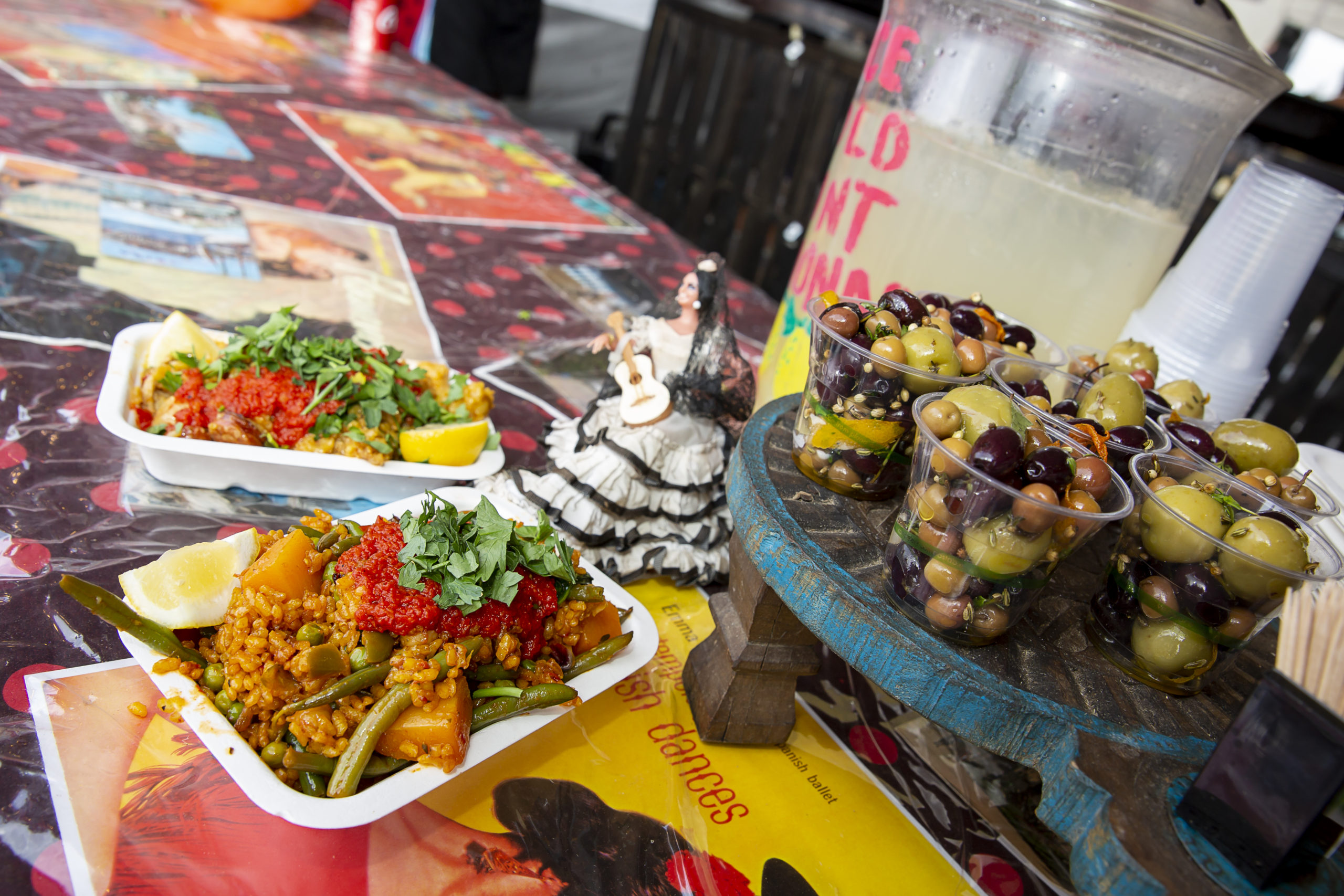
Here’s a simple way to think about your decision:
→ Start with a gazebo or stall
→ A food van may suit you
→ Consider a trailer
→ Look at a food truck or horsebox
→ Start small and scale later
The key point: your first setup doesn’t have to be your forever setup.
Choosing how to trade is one of the most important decisions you’ll make when starting a mobile food business in the UK.
But it doesn’t need to be overwhelming.
The right setup is simply the one that:
Many successful traders start small, learn as they go, and grow into more advanced setups over time.
If you’re planning your next step, staying informed and following a clear process can make all the difference.
A gazebo or market stall is usually the most affordable way to get started and test your concept.
Not necessarily, it all depends on your goals. Trucks offer more space and branding, while vans are more affordable and flexible.
Yes. Many traders start small and invest in a vehicle once they’ve proven their concept.
You must register your food business with your local authority, and you may need street trading permission depending on where you operate.
Food trucks, trailers and horseboxes are commonly used due to their capacity and professional appearance.
For many beginners, a gazebo or food van offers a lower-risk way to start, depending on budget and confidence level.
Whether you start with a gazebo, a van, a trailer or go straight into a food truck, the most important thing is choosing a setup that works for you right now – your budget, your goals, and how you want to run your business day to day.
What matters more than getting it “perfect” is getting started, learning quickly, and building something that can grow over time. The right support makes a real difference.
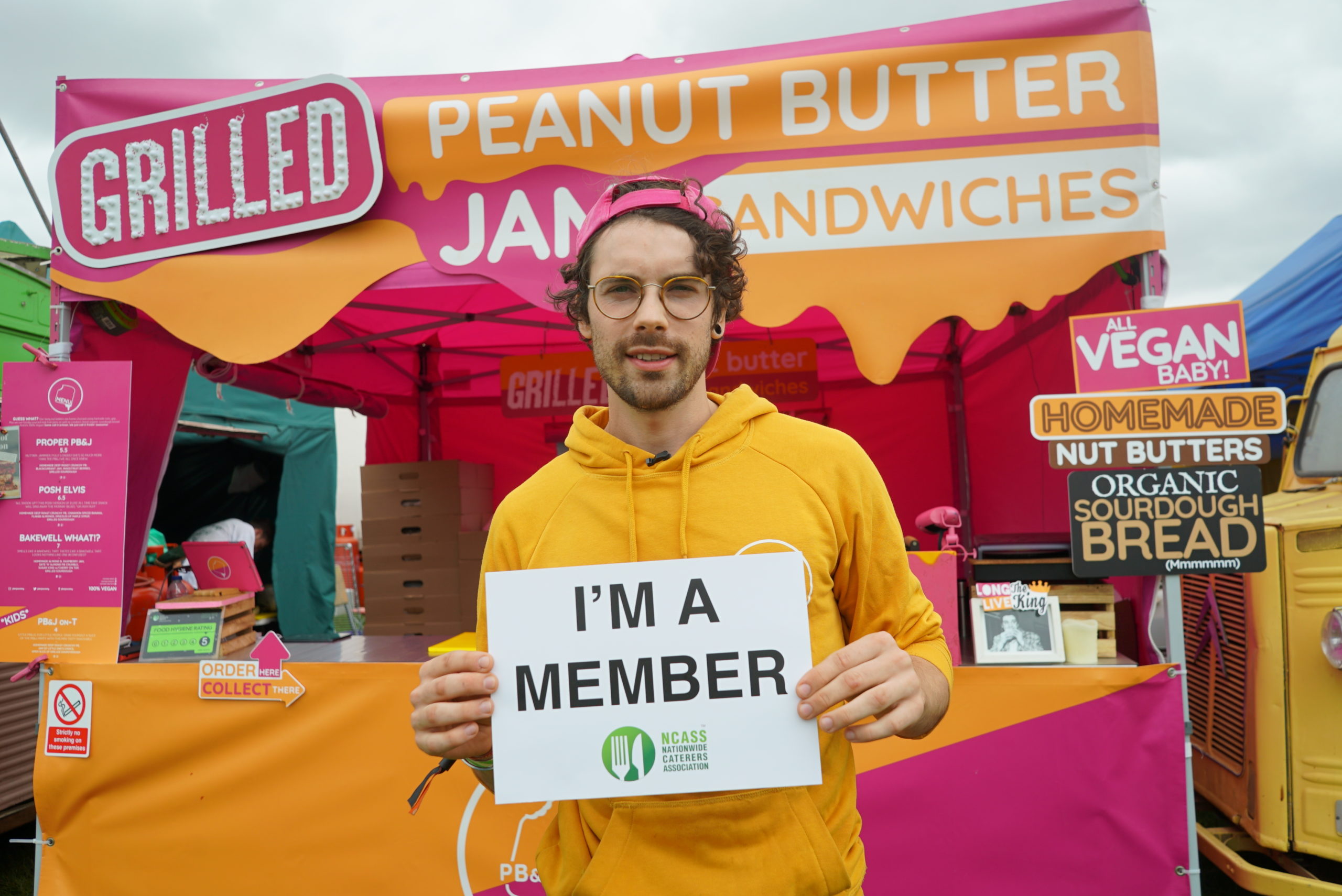
At NCASS, we support thousands of mobile food businesses across the UK with the practical tools, guidance and reassurance needed to run safely and confidently. From compliance and food safety to day-to-day operations and ongoing support, membership is designed to take the guesswork out of running your business.
If you’re serious about starting and want to do it properly from day one, NCASS membership gives you a clear, structured path forward, along with the backing of a team that understands how mobile catering really works.
👉 Join NCASS today and build your mobile food business with confidence.
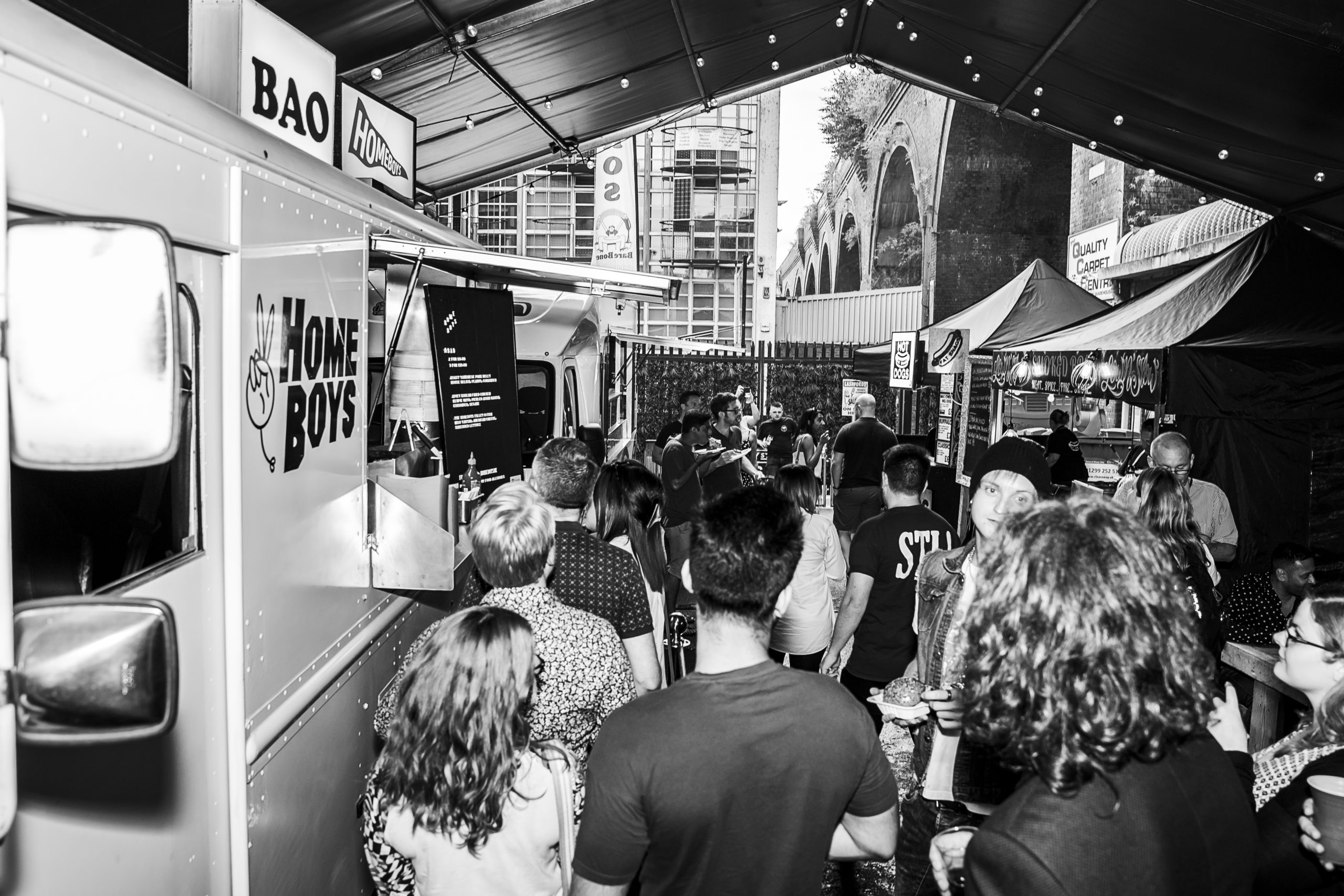
We're here to help make your catering business a success. Whether that be starting up or getting on top of your compliance and marketing. We're here to help you succeed.
Find out more Request a call back


















 Featured Training