



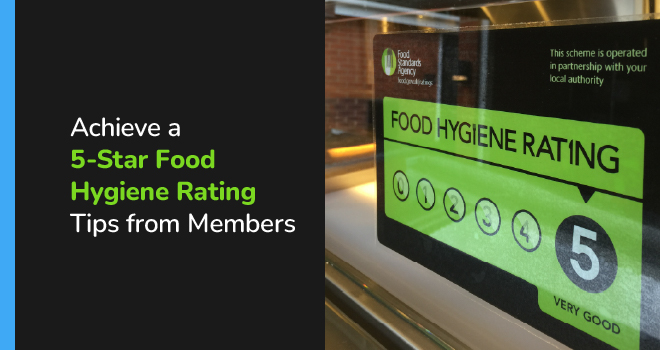
If you’ve got an Environmental Health Officer (EHO) inspection coming up, you’re probably asking yourself three questions:
- How do I prepare?
- What do Environmental Health Officers look for?
- How can I get a 5-star food hygiene rating?
The good news is that achieving a top food hygiene rating isn’t about catching you out, it’s about demonstrating that you consistently manage food safety and have the right systems in place.
To find out what really makes the difference, we spoke to three NCASS members who recently achieved 5-star food hygiene ratings in very different settings:
- Wing Kings Kitchen, a new street food business.
- Oliver’s Coffee House, which recently opened a new coffee trailer alongside its existing 5-star café.
- Next Flavour Kitchens, operating a high-volume kitchen inside Selfridges.
Despite their different businesses, all three shared one thing in common: they used NCASS resources to prepare with confidence before inspection day.
How to prepare for an EHO inspection
The most successful inspections start weeks before the Environmental Health Officer arrives.
Preparation isn’t just about cleaning your premises. It’s about making sure your food safety management system, documentation and daily processes all demonstrate that food safety is embedded in your business.
Across all three businesses, the same NCASS resources consistently stood out as the most valuable:
- Food Safety Management System
- Compliance checklists
- Risk assessment templates
- Food safety policies
- Cleaning schedules
- Daily and weekly operational checklists
- Allergen management tools
- Guidance documents
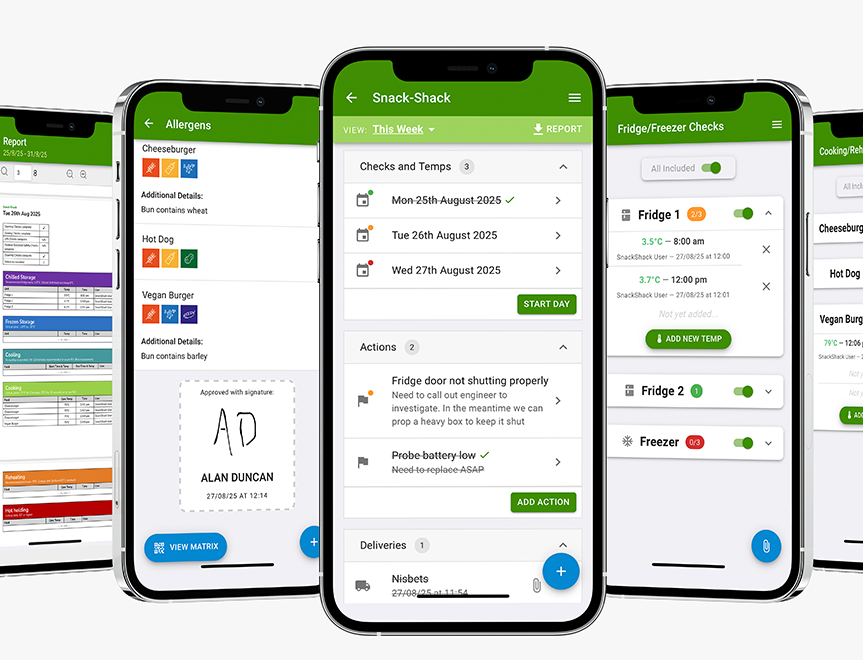
- Temperature monitoring records
- Probe calibration guidance
- Pest control documentation
Nathan and Luke from Wing Kings Kitchen say the Food Safety Management System and compliance checklists gave them a clear understanding of exactly what an EHO would expect to see.
“They gave us a clear understanding of what an EHO would be looking for and helped us make sure everything was in place before the inspection.”
For Next Flavour Kitchens, consistency was critical. Operating a busy kitchen inside Selfridges meant every process had to be repeatable and well documented.
The structured NCASS system helped them organise everything from temperature records to pest control monitoring, ensuring they were inspection-ready every day and not just when the inspection happened.
Meanwhile, Oliver’s Coffee House found moving to NCASS’ digital compliance tools made life significantly easier when opening a second site.
Rather than storing paperwork on one computer or relying on paper records, policies, risk assessments and documents such as their allergen matrix could be shared across both businesses and accessed by the whole team whenever needed.
“The templates saved loads of time compared to other online templates. The fact everything saves in the tool is a bonus because anyone can access it at any time.”
What do Environmental Health Officers look for?
One of the biggest misconceptions about EHO inspections is that they’re only looking for a clean kitchen.
In reality, inspectors want evidence that you’re actively managing food safety every day.
That means demonstrating:
A working food safety management system
It’s not enough to simply have procedures, you need to show they’re being followed consistently.
Temperature control
Inspectors will often review:
- Temperature monitoring
- Probe calibration records
- Cold storage management
- Hot holding procedures
Next Flavour Kitchens found NCASS guidance particularly useful for ensuring these records were complete and easy to present.
Cleaning and hygiene
Cleaning schedules should show that cleaning is planned, completed and regularly reviewed.
Allergen management
Allergen controls remain one of the biggest areas of focus during inspections.
Next Flavour Kitchens advise businesses to pay particular attention to allergen management and cross-contamination, as inspectors regularly ask detailed questions in these areas.
Oliver’s Coffee House also highlighted one feature they hadn’t encountered elsewhere: NCASS’ separation of different gluten-containing cereals within the allergen matrix.
This has helped them prepare for possible future legislation while improving the quality of allergen information they provide today.
Pest control
EHOs will expect businesses to demonstrate active pest monitoring rather than simply reacting if an issue occurs.
Staff knowledge and training
Inspectors don’t just speak to owners, they may ask staff questions too.
Next Flavour Kitchens recommend ensuring everyone understands the basics and can answer confidently.
As Mickey McCarthy explains:
“Stay calm. Inspections are much easier when your paperwork tells the story for you.”
Traceability and documentation
Being able to quickly produce records often makes an inspection run far more smoothly.
NCASS members consistently said having organised documentation gave inspectors confidence from the outset.
Understanding what EHOs expect
One of the biggest challenges for many food businesses isn’t food safety itself, it’s understanding exactly what an Environmental Health Officer expects during an inspection.
Nathan and Luke from Wing Kings Kitchen already had extensive experience in product development, technical food safety and catering.
But they still found the inspection process unfamiliar.
“Understanding exactly what an Environmental Health Officer expects during an inspection was completely new to us.”
NCASS helped bridge that gap by explaining:
- The practical requirements inspectors expect to see
- Which supporting documents matter
- How to present evidence during an inspection
- How to avoid missing important details
That knowledge transformed what could have been an intimidating experience into a straightforward conversation.
What is an EHO inspection actually like?
Many business owners expect inspections to feel stressful or confrontational. Our members experienced something very different.
Wing Kings Kitchen described their inspection as professional, positive and far more straightforward than expected because they had prepared thoroughly beforehand.
Oliver’s Coffee House had a relaxed inspection that ended with a conversation over coffee after a quick tour of the trailer. Their Environmental Health Officer was already familiar with NCASS’s digital compliance system, making it easy to review documentation covering both sites.
Next Flavour Kitchens found their inspection felt more like a discussion than an interrogation because every document was organised and immediately accessible.
The inspector reviewed:
- Cleaning schedules
- Temperature records
- Allergen controls
- Pest management
- Staff training
- Traceability records
Because everything was clearly organised, they could provide evidence quickly without searching through paperwork.
Would these businesses have been as prepared without NCASS?
Interestingly, all three businesses already had significant experience, but all agreed NCASS gave them something they didn’t already have.
For Wing Kings Kitchen, it was confidence that they understood exactly what EHOs expected, not just the food safety principles they already knew.
Oliver’s Coffee House felt confident in the operational side of the business but said the documentation would have been much harder to manage without NCASS.
The digital system also meant documents no longer relied on one person saving files locally, allowing the wider team to access what they needed whenever required.
Next Flavour Kitchens believe they could have assembled the required paperwork themselves, but not as thoroughly or in a way that aligned so closely with EHO expectations.
As Mickey puts it:
“NCASS removes the guesswork. It’s the difference between being ‘mostly ready’ and being inspection-ready with confidence.”
How to get a 5-star food hygiene rating
There’s no secret formula, but there are some common habits shared by businesses that consistently achieve top ratings.
Start preparing early
Don’t wait until you hear an inspection is due. Food safety should become part of your everyday routine.
Keep documentation organised
Digital systems make records easier to maintain, easier to update and much easier to access during inspections.
Don’t just complete paperwork, use it
Inspectors want to see evidence that records are completed consistently and accurately, not simply filled in occasionally.
Train your team
Everyone should understand basic food safety, allergens and cleaning procedures.
Confident answers from staff help demonstrate that food safety is embedded across the business.
Focus on allergens and cross-contamination
These remain some of the most heavily scrutinised areas during inspections.
Use recognised systems
Following an established food safety management system means you don’t have to guess whether you’ve covered everything.
As Next Flavour Kitchens put it:
“If you follow a recognised system like NCASS, you’re already halfway there.”
Why does a 5-star food hygiene rating matter?
Achieving 5 stars isn’t just about passing an inspection, it’s a visible sign that customers can trust your business.
For Wing Kings Kitchen, earning 5 stars was a proud milestone that recognised months of hard work. It reassures customers that food safety is taken seriously and reflects the high standards they work to every day.
For Oliver’s Coffee House, maintaining 5-star ratings across both their café and trailer gives customers confidence that they’ll receive the same quality wherever they visit.
For Next Flavour Kitchens, serving customers inside Selfridges means expectations are already incredibly high. A 5-star rating removes hesitation for first-time customers and reinforces confidence in the brand.
Ready for your next EHO inspection?
Whether you’re opening your first food business, launching a new trailer or managing multiple sites, preparation is the key to a successful inspection.
NCASS gives food businesses the practical tools to stay organised, understand exactly what Environmental Health Officers are looking for and build confidence before inspection day.
From digital food safety management and risk assessment templates to allergen management, compliance checklists and expert guidance, everything is designed to help you achieve and maintain a 5-star food hygiene rating.
If you’re already an NCASS member, make the most of the resources available to you. And if you’re not yet a member, there’s never been a better time to discover how NCASS can help you prepare for your next inspection with confidence.
Helpful NCASS Resources:
What to expect from a hygiene inspection
Food Hygiene Rating Scheme Guide & Inspection Checklist

 Featured Training
OUR MEMBERSHIP
We're here to help make your catering business a success. Whether that be starting up or getting on top of your compliance and marketing. We're here to help you succeed.
Want our latest content?
Subscribe to our mailing list and get weekly insights, resources and articles for free
Get the emails