







Winter can bring some big challenges for independent caterers. From severe weather and power cuts to staff sickness and disrupted food deliveries, unexpected problems can quickly affect your ability to trade.
For mobile caterers, street food traders, food trucks and outdoor event operators, winter conditions can make even a normal trading day more complicated. Roads become harder to navigate, equipment can be affected by freezing temperatures and suppliers may struggle to deliver as planned.
But while you can’t control the weather or prevent every disruption, you can put plans in place to help your business respond.
A little preparation now could save you considerable time, money and stress over the winter months. Here’s our winter trading checklist to help you prepare for the unexpected and keep your business running as smoothly as possible.
Bad Weather: Have a Plan B
Winter weather can be unpredictable, particularly for businesses trading outdoors or travelling between different locations.
Heavy rain, strong winds, snow and ice can affect customer numbers, make sites inaccessible and create additional safety risks for staff and customers.
Before committing to winter events and bookings, think about what you would do if the weather deteriorates.
Your checklist:
- Check forecasts regularly: Keep an eye on weather warnings and local conditions in the days leading up to an event.
- Understand cancellation arrangements: Check what happens if an event is cancelled due to severe weather. Are pitch fees refundable? Who makes the final decision?
- Secure your setup: Make sure gazebos, signage, equipment and other structures are suitable for the conditions and safely secured.
- Protect your equipment: Consider how rain, wind, snow and freezing temperatures could affect electrical equipment, refrigeration and cooking appliances.
- Plan your travel: Allow additional time for journeys and identify alternative routes if roads become blocked or difficult to access.
- Know when to stop trading: Have clear criteria for when conditions become unsafe for your staff, customers or equipment.
It’s also worth considering whether you can adapt your trading arrangements. Could you move indoors, offer collection instead of outdoor service or switch to a different location?
Never feel pressured to continue trading if conditions are unsafe. Having a clear contingency plan means you can make decisions quickly and confidently.
Power Cuts: Could You Keep Operating?
Power cuts can be particularly disruptive for catering businesses that rely on refrigeration, electric cooking equipment, lighting, payment systems and other essential appliances.
A loss of electricity could mean you are unable to prepare food, serve customers or safely store your stock.
Think about what would happen if your premises or trading location lost power halfway through service.
Your checklist:
- Identify which equipment is essential to your operation.
- Consider whether suitable backup power is available and whether it can safely support your equipment.
- Keep emergency lighting and torches accessible.
- Make sure staff know how to respond if power is lost.
- Have an alternative way to communicate with customers and suppliers.
- Understand how to check and manage food safety following a power failure.
Food safety needs particular attention. If refrigeration stops working, don’t assume food is safe simply because the power has only been off for a short period. Monitor temperatures, follow your food safety management procedures and assess affected food before deciding whether it can be used.
If you cannot establish that food has remained safe, don’t take the risk.
It’s also important to understand the limitations of any backup arrangements. Generators and alternative power supplies must be suitable for the equipment being used and operated safely, with appropriate precautions around ventilation, fuel and electrical connections.
Staff Sickness: Can You Run with a Smaller Team?
Winter is traditionally a time when coughs, colds and other seasonal illnesses can affect staffing levels.
If one or two members of your team are suddenly unable to work, it can leave you struggling to fulfil bookings or maintain normal service.
Having a staffing contingency plan can make a significant difference.
Your checklist:
- Identify which roles are essential to keep your business operating.
- Consider whether other team members are trained to cover different responsibilities.
- Keep a list of potential temporary or relief staff.
- Make sure rotas are accessible and easy to update.
- Have clear procedures for reporting sickness and arranging cover.
- Consider whether your menu or opening hours could be adapted if staffing is reduced.
It is also worth thinking about how many staff you genuinely need to deliver your service safely and effectively. Trying to operate a full menu with half your usual team could create unnecessary pressure and compromise service.
If you are short-staffed, consider simplifying your offering, reducing your trading hours or temporarily limiting the number of orders you accept.
TimeCatch – Two months free
Keeping track of staff rotas, shifts and working hours becomes particularly important when you’re managing a busy schedule or dealing with last-minute changes.
TimeCatch helps catering businesses organise event staffing, schedule shifts, track working hours and manage timesheets. Having a clear overview of who is working, when they’re working and where they’re needed can make managing unexpected staffing changes easier.
NCASS members can access their first two months free on any plan, subject to partnership terms.
Find out more about the TimeCatch NCASS member offer.
Supplier Issues: What Happens if Your Deliveries Don’t Arrive?
Winter weather can affect transport networks and delivery schedules, while increased seasonal demand can put pressure on suppliers and stock availability.
If an essential ingredient doesn’t arrive, you may find yourself unable to prepare some of your usual menu items.
This is where flexible menu planning becomes particularly important.
Your checklist:
- Identify essential ingredients: Understand which products are critical to your most popular dishes.
- Have alternative suppliers: Where possible, identify backup suppliers for key ingredients and consumables.
- Monitor stock levels: Don’t wait until you’re running low on essential products before placing orders.
- Understand delivery schedules: Check supplier opening hours, Christmas closures and any changes to delivery arrangements.
- Review storage capacity: Make sure you have sufficient space to store additional stock safely if advance purchasing is necessary.
- Keep your menu flexible: Consider dishes that can be adapted using alternative ingredients without compromising food safety or quality.
Be Prepared to Adapt Your Menu
If food supplies are affected, you may need to rethink what you’re serving.
For example, if a particular meat, vegetable or specialist ingredient becomes unavailable, could you temporarily replace it with an alternative? Could you introduce a smaller menu using ingredients you know you can source reliably?
Winter is also a good opportunity to review your menu and identify dishes that share ingredients. This can help reduce waste, simplify purchasing and make it easier to adapt if deliveries are disrupted.
However, any substitutions need careful consideration. Make sure changes are reflected in your allergen information and that customers are made aware of any differences to the original dish.
A flexible menu doesn’t mean compromising on quality. It means having enough options to keep serving customers when circumstances change.
Emergency Catering: Being Ready to Support Your Community
Winter doesn’t just create challenges for individual catering businesses. Severe storms, flooding and other extreme weather events can have a much wider impact on local communities.
Through the NCASS Emergency Catering Service, members have previously stepped forward to support communities affected by severe storms, helping provide food when normal services and facilities have been disrupted.
It’s a reminder of the important role independent caterers can play when emergencies happen.
Whether it’s providing meals to people affected by severe weather or supporting those involved in emergency response efforts, having experienced catering businesses ready to help can make a real difference.
Of course, emergency catering requires additional planning. Businesses need to consider food availability, transport, staffing, equipment, power supplies and the practicalities of preparing and serving food in challenging conditions.
It also highlights why having contingency arrangements in place is so important.
The same preparations that help you manage a difficult trading day could also help you respond when your wider community needs support.
If your business is interested in getting involved, keep an eye on NCASS communications for information about the Emergency Catering Service and opportunities to support future responses.
Check Your Equipment, Vehicles and Winter Essentials
It’s easy to focus on menus and bookings, but winter is also a good time to check that your equipment and vehicles are ready for more challenging conditions.
A breakdown or equipment failure can quickly turn into a costly problem, particularly if it happens while you’re travelling to an event or preparing for service.
Your checklist:
- Check vehicles are properly maintained and suitable for winter travel.
- Make sure tyres, lights and other essential vehicle components are in good condition.
- Inspect cooking equipment, electrical connections and gas appliances.
- Check refrigeration and temperature-monitoring equipment.
- Keep suitable cleaning materials and protective equipment available.
- Make sure staff have appropriate clothing for working in cold and wet conditions.
- Check that first aid supplies and emergency contact details are accessible.
If you rely on LPG, generators or other alternative power sources, make sure they are maintained, suitable for their intended use and operated in accordance with the relevant safety requirements.
Taking time to inspect equipment now could prevent avoidable problems during the busiest parts of the season.
Keep Your Business Documents and Emergency Contacts Up to Date
When something goes wrong, you don’t want to be searching through old emails or paperwork to find important information.
Make sure your essential business documents are accessible and up to date.
These might include:
- Food safety management records.
- Food safety and health and safety risk assessments.
- Fire safety documentation.
- Public and product liability insurance.
- Allergen information and current menus.
- LPG and electrical safety documentation, where applicable.
- Staff emergency contact details.
- Supplier and equipment maintenance contacts.
Make sure relevant staff know where to find this information and who they should contact if an incident occurs.
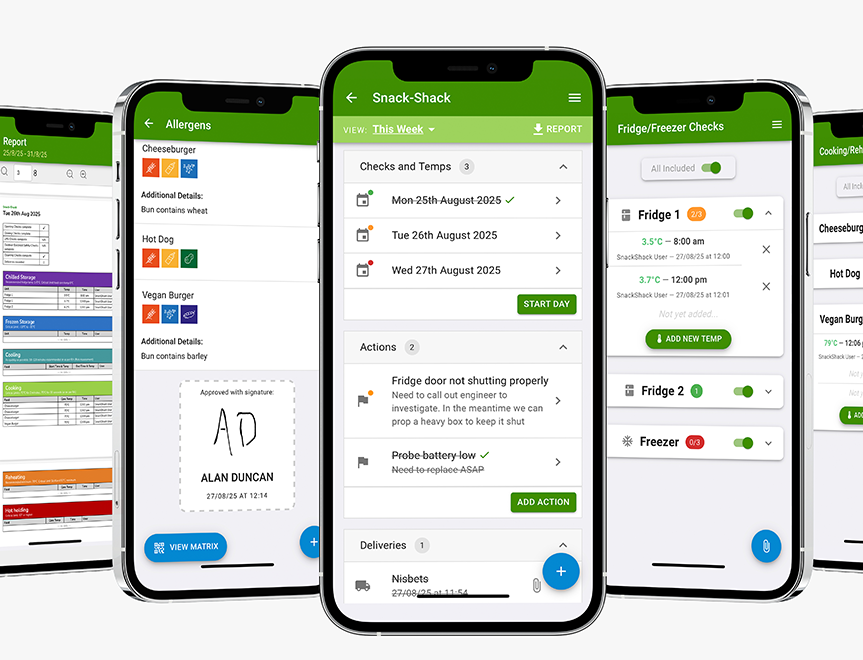
NCASS members can use the Digital Food Safety System to help manage food safety records and keep important documentation organised in one place.
Having your paperwork readily available can make responding to incidents, communicating with organisers and maintaining day-to-day compliance much easier.
Don’t Forget to Plan Beyond Winter
While getting through the winter months is the immediate priority, it’s also worth using this time to look ahead.
The start of a new year provides an opportunity to review your business, assess what worked well and identify where you want to make improvements.
Think about your 2027 plans:
- Are there new events or markets you’d like to apply for?
- Do you want to introduce new menu items or expand your offering?
- Are there equipment upgrades that could improve efficiency?
- Could you benefit from additional staff or training?
- Are there opportunities to reduce supplier costs?
- Do you have the right systems in place to manage a busier trading schedule?
Planning ahead doesn’t mean committing to every opportunity. It’s about understanding what your business needs and making informed decisions about where to invest your time and money.
It’s also worth reviewing the costs of your current operations and checking whether you’re making the most of the discounts and offers available through your NCASS membership.
Be Prepared for Whatever Winter Brings
Winter trading will always come with a degree of uncertainty, but having a plan can make all the difference.
From preparing for severe weather and power cuts to managing staff sickness and adapting your menu when suppliers experience disruption, a little forward planning can help you protect your business, your team and your customers.
And remember, preparation isn’t just about managing problems. It’s also about making sure you’re ready to take advantage of opportunities when they arise.
Take some time to work through your winter checklist, make sure your contingency plans are in place and give yourself the best possible start to 2027.

 Featured Training

NCASS Membership
.
Simplify compliance, get expert support and unlock savings that cover the cost of membership.
Choose the option that matches how your business trades.
On the move
I run a mobile food or drink business
For food trucks, trailers, street food traders, market traders, event caterers and other mobile operators.
Fixed location
I run a fixed-site food or drink business
For cafés, restaurants, pubs, bars, takeaways, bakeries and other bricks-and-mortar businesses.
Not sure which membership is right for you? Use our membership matcher tool.