


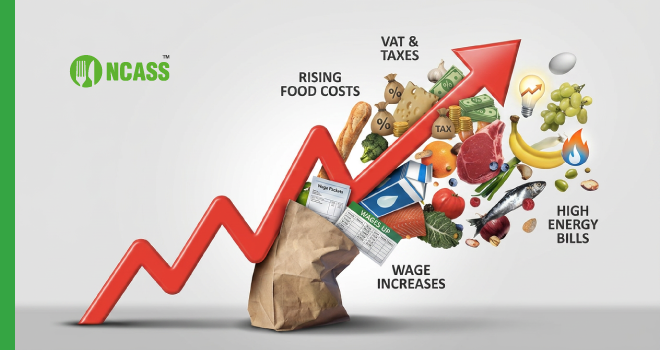
It’s no secret that the cost of doing business has increased dramatically over the last few years. From energy bills and staffing costs to ingredients, pitch fees and VAT, independent hospitality businesses are being squeezed from every direction.
Across the UK, we’ve seen much-loved cafés, restaurants, street food traders and hospitality businesses forced to close – not because they lack customers, but because rising overheads have made profitability increasingly difficult. Whether you’re running a food truck, a café, a pub or multiple sites, the story is the same: margins are tighter than ever.
Independent businesses continue to show incredible resilience, adapting to changing markets and rising costs with creativity and determination. But resilience alone isn’t enough. The sector needs meaningful support to ensure independent hospitality can continue to thrive.
VAT Rates: Highest in Europe
One of the biggest issues facing hospitality is VAT.
The UK currently has one of the highest rates of VAT on hospitality in Europe, placing additional pressure on businesses already grappling with rising costs across the board. Every percentage point makes a difference when margins are already stretched.
That’s why NCASS is proud to support the VAT’s the Problem campaign, which is calling on Government to reduce the hospitality VAT rate from 20%. A lower rate would provide much-needed breathing space for businesses, helping to protect jobs, encourage investment and support long-term growth across the sector.
If you’re not already familiar with the campaign, we encourage you to learn more and support the call for change.
Challenging Energy Overheads
Energy remains one of the biggest overheads for hospitality businesses, whether you’re powering a permanent kitchen, running refrigeration from a food trailer or operating multiple sites.
The energy market has been through an unprecedented period of volatility over the last few years. Prices first surged in 2021 as countries emerged from Covid-19 lockdowns and global demand for energy increased rapidly. The conflict between Russia and Ukraine then placed further pressure on global energy supplies, pushing wholesale prices to record highs during late 2022 and early 2023.
Although prices eased from those peaks, many businesses are still paying significantly more than they were before the energy crisis began. More recently, tensions in the Middle East have driven wholesale energy prices up once again, creating further uncertainty for businesses already managing tight margins.
For many hospitality businesses, this means energy bills remain one of the most unpredictable and challenging operating costs.
The good news is there are ways to regain some control. That’s why we’re partnered with EIC and True Group to help members better understand, manage and reduce their energy costs, whatever their set up.
- EIC offers independent energy advice, including a free energy bill audit to help identify potential savings and secure the right energy contract.
- True Group combines specialist hospitality energy expertise with a digital platform that gives you greater visibility of your energy usage, helping you track costs and make more informed decisions.
If energy is one of your biggest overheads, it’s worth reviewing your current arrangements – you could uncover savings and gain greater confidence over one of your most significant business costs.
Staffing Costs Continue to Rise
Staffing remains one of the largest costs for hospitality businesses, and from April 2026 employers will see further increases to wage bills.
The Government has announced the following increases to the National Minimum and National Living Wage:
- National Living Wage (21+) will increase by 4.1%, from £12.21 to £12.71 per hour.
- 18–20-year-olds will see the largest increase of 8.5%, from £10.00 to £10.85 per hour.
- 16–17-year-olds and apprentices will both receive a 6.0% increase, taking the hourly rate from £7.55 to £8.00.
- The accommodation offset will also rise by 4.1%, from £10.66 to £11.10 per day.
Alongside these increases, changes to Statutory Sick Pay (SSP) under the Employment Rights Bill are set to make SSP payable from the first day of sickness absence, removing the current three-day waiting period. Eligibility is also expected to widen, meaning more employees will qualify than under the current rules.
While these changes are designed to improve protections for workers, they also represent another significant increase in operating costs for independent hospitality businesses.
To help members understand what these changes mean in practice, read this article from Colden HR explaining the latest wage rates and upcoming SSP reforms. If you need support with employment policies, contracts or HR matters, our partners Colden HR and McKenzie Legal and HR can provide expert advice to help keep your business compliant and prepared.
Festival Pitch Fees: Bigger Events, Smaller Margins
For many mobile caterers, festivals and events have traditionally been a key source of income.
However, in recent years, many traders have reported significant increases in pitch fees, commissions and compulsory charges. In some cases, traders are achieving record turnovers while seeing their actual profit margins shrink dramatically.
Recent discussions across the industry – including insights shared by Spudman on Instagram – highlight the reality that high sales don’t always translate into healthy profits once food costs, staffing, commissions and operating expenses are taken into account.
Choosing the right events has never been more important.
Our ‘Times Four’ Rule guide explains a practical way to assess whether a pitch fee represents good value before committing to an event.
Members can also use Add to Event to discover new opportunities and find events that are the right fit for their business.
Rising Ingredient Costs
While food inflation has eased compared with the record highs seen during the cost-of-living crisis, ingredient prices remain significantly higher than they were just a few years ago. The rate of inflation may have slowed, but that doesn’t mean prices have fallen – it simply means they’re rising more slowly.
According to the latest figures, UK food prices are still more than 30% higher than they were in April 2022, following the sharp increases driven by the pandemic, global supply chain disruption, rising energy costs and geopolitical instability. Many of these higher costs have become embedded throughout the supply chain, meaning businesses continue to pay more for the ingredients they rely on every day.
At the same time, hospitality businesses are facing additional pressures from higher wages, transport costs, packaging and utilities, making it increasingly difficult to absorb rising food costs without increasing menu prices. For many independent businesses, this creates a difficult balancing act between protecting already tight margins and remaining affordable for customers who are also feeling the effects of the cost-of-living crisis.
The good news is there are still opportunities to reduce costs. Regularly reviewing your suppliers, comparing wholesale prices, taking advantage of seasonal promotions and refining your menu can all help protect your margins without compromising on quality.
Through our partnership with Booker, NCASS members can access exclusive wholesale offers and member vouchers, helping to reduce the cost of everyday essentials and make every pound go a little further.
Looking Ahead
There’s no escaping the fact that independent hospitality continues to face one of the most challenging trading environments in recent memory.
From taxation and staffing costs to energy, ingredients and event fees, businesses are being asked to absorb increasing costs while continuing to deliver exceptional experiences for customers.
Yet despite these challenges, the sector continues to innovate, adapt and support one another. Independent hospitality has always been built on resilience, creativity and community.
At NCASS, we’ll continue to campaign for meaningful change, provide practical guidance and work with trusted partners to help members navigate these challenges. Whether it’s lobbying for a fairer VAT rate, helping businesses reduce their energy costs or negotiating member discounts, we’re committed to supporting independent hospitality every step of the way.

 Featured Training
OUR MEMBERSHIP
We're here to help make your catering business a success. Whether that be starting up or getting on top of your compliance and marketing. We're here to help you succeed.
Want our latest content?
Subscribe to our mailing list and get weekly insights, resources and articles for free
Get the emails