






November is upon us, the Christmas lists are being submitted and the festive menus are being delivered through the door. It’s hard to believe another year is nearly behind us. While the festive season can be one of the busiest times for many in independent hospitality, it’s never too early to start thinking ahead to 2027 and what events may be worth securing before the clock strikes midnight on the 31st December.
Whether you run a street food stall, a food truck, a mobile catering business or a specialist food and drink operation, getting ahead of the competition can make a real difference to your year ahead. From corporate events and local markets to food halls and major festivals, there are plenty of opportunities to grow your business, reach new customers and generate additional income.
Securing the right events is more than just applying for as many as possible. It’s about understanding your business, identifying opportunities that suit your offering and making sure every booking has the potential to deliver a worthwhile return.
Here’s how to start filling your 2027 calendar.
Corporate Events: Building Reliable Revenue
Corporate events can be a valuable source of income for independent caterers, offering opportunities to trade at office campuses, company celebrations, product launches, staff parties, conferences and business networking events.
Unlike some large public festivals, corporate bookings can also offer a more predictable trading environment, particularly where catering is arranged in advance or paid for by the organiser. For businesses looking to diversify their income, this can provide a useful balance alongside markets and seasonal festivals. The key is understanding what corporate clients are looking for.
Some events need quick, convenient lunch options for employees, while others require a more premium offering for clients or guests. Think about how your menu, service style and setup could meet different requirements. If you specialise in street food, for example, could you offer a simplified menu for a lunchtime service or a bespoke package for a company celebration?
When applying for corporate work, make sure your offering is clear and professional. High-quality photographs, a concise menu, transparent pricing and details of your setup will help organisers understand what you can deliver. It’s also worth explaining your capacity, staffing arrangements, dietary options and any minimum booking requirements.
Before agreeing to a booking, establish exactly how the event will operate. Will customers pay individually, or will the company cover the cost? Is there a guaranteed fee, a minimum spend or a requirement to trade on sales alone? Clarifying these details early can help you assess whether the opportunity is commercially viable.
NCASS members can explore Add to Event, which connects catering businesses with people organising corporate events, private parties, weddings and other occasions. It can be a useful way to discover new enquiries and identify bookings that fit your availability.
Markets: Making the Most of Local Opportunities
Markets can provide a great starting point for businesses looking to build their presence, develop a regular customer base or test new menu ideas.
From farmers’ markets and town-centre markets to street food gatherings and specialist food markets, there are opportunities to trade in different locations throughout the year. Regular markets can also help you build relationships with customers, understand local demand and establish a recognisable presence in your community. However, not every market will be the right fit for your business.
Before applying, research the event’s audience, location, trading hours and existing food traders. Consider whether your menu complements what’s already available or whether the market is oversaturated with similar offerings. A strong product can still struggle if there isn’t enough demand or if customers have limited reasons to choose your stall over the competition.
It’s also important to look beyond the advertised footfall. A busy market doesn’t automatically translate into strong sales, particularly if visitors aren’t there to buy food or if the event’s audience doesn’t match your target customer.
Calculate your likely costs before committing. Alongside pitch fees, remember to factor in ingredients, staff, travel, fuel, packaging, payment processing and preparation time. If the organiser charges a commission on sales, make sure you understand how this will affect your margins.
For traders looking to establish a regular presence, building relationships with market organisers can be just as valuable as securing individual dates. Reliable traders who communicate well, arrive prepared and deliver a consistent customer experience may be well placed for future opportunities.
Start by identifying the markets you want to trade at in 2027, then contact organisers early to ask about application dates, availability, fees and any requirements for new traders.
Food Halls: Reaching Customers All Year Round
Food halls and shared food spaces can offer another route to growth, particularly for businesses looking to reach new customers without committing to a permanent standalone premises.
Depending on the venue and agreement, opportunities may range from short-term residencies and guest trading slots to regular weekly sessions or longer-term arrangements. Some food halls attract customers specifically looking for variety, giving independent traders the chance to introduce their food to an established audience.
For businesses considering this route, it’s important to understand how the venue operates and what it expects from its traders.
Find out how customers are charged, whether the venue takes a commission, what equipment and facilities are provided, and whether you’ll need to supply your own refrigeration, cooking equipment or serving infrastructure. You should also establish who is responsible for utilities, cleaning, waste management and any shared operating costs.
Think carefully about whether your menu suits the environment. Food halls can have different customer expectations from outdoor markets or festivals, and a menu that works well from a food truck may need adapting for a smaller kitchen or a different service format.
Before committing, ask about typical trading days, expected customer numbers, opening hours and the mix of existing traders. If possible, visit the venue during a busy period to get a better feel for the atmosphere and customer demand.
Food halls can provide a useful way to experiment with new locations and trading models, but the same principle applies as with any opportunity: make sure the numbers work for your business.
Festivals: Get Your Applications in Early
For many mobile caterers, festivals remain one of the biggest opportunities of the year. From music festivals and food festivals to agricultural shows and large outdoor events, the right bookings can generate significant turnover and introduce your business to thousands of potential customers.
However, competition for popular events can be fierce, and application windows often open well before the event itself. If you’re hoping to secure the best opportunities for summer 2027, now is the time to start researching your options and preparing your applications.
A strong application starts with understanding the event. Look at its audience, location, previous food traders, expected attendance and overall style. Consider whether your menu is a good match and whether you can serve customers quickly enough during busy periods.
Your application should make it easy for organisers to see what makes your business suitable. Include clear photographs of your food and setup, a concise menu, details of your equipment and power requirements, and information about your trading experience. If you’ve worked at similar events, examples of previous bookings can help demonstrate your ability to deliver.
It’s also worth preparing your compliance documentation in advance. Organisers commonly request evidence of insurance, risk assessments, food safety arrangements, allergen information and relevant equipment safety checks. Having these documents ready can make the application process quicker and help you respond promptly when opportunities arise.
Don’t overlook the financial side of festival trading.
A large event with impressive attendance figures isn’t necessarily a profitable one. Pitch fees, commissions, staffing, stock, travel, accommodation and equipment hire can all eat into your takings.
Before applying, estimate how much you need to sell to cover your costs and achieve your target profit. Consider likely customer spending, the length of the event, trading hours and the number of competing food vendors. If the organiser charges a substantial upfront fee, think carefully about the risk if attendance or sales fall below expectations.
Our event and festival catering resources include practical guidance on applications, tendering, compliance and managing the challenges of outdoor trading. Our Times Four Rule guide is also worth reading before committing to a pitch fee.
Explore More Opportunities with NCASS Event Partners
Finding new events takes time and knowing where to look can be just as important as preparing a good application.
That’s why NCASS works with event partners to help members discover opportunities, connect with organisers and manage the practicalities of running a catering business.
Here are three worth exploring as you plan your 2027 calendar.
- Add to Event helps independent caterers connect with customers organising corporate events, weddings, private parties, festivals and other occasions. You can create a profile, receive relevant enquiries and choose which opportunities to quote for. Eligible new members can also access an exclusive introductory credit offer through the NCASS partnership.
- Dévorer connects food vendors with trading opportunities at university campuses across the UK. Its programme includes regular and one-off shifts throughout the academic year, providing another option for caterers looking to secure bookings beyond the traditional summer festival season.
- TimeCatch helps catering businesses organise event staffing, schedule shifts, track working hours and manage timesheets. Once you’ve secured more bookings, having a clear view of staffing requirements and labour costs can help you manage busy periods more effectively. NCASS members can access an exclusive offer of two months free on any plan, subject to the partnership terms.
Each offers a different kind of support, whether you’re looking for new customers, exploring additional trading locations or preparing your team for a busier year.
You can also visit our Finding Work page to explore further opportunities and services available to caterers.
Get Your Compliance Documents Ready
Securing a booking is only part of the process. Before you can trade, event organisers will often need to check that your business meets their food safety, health and safety and insurance requirements.
Trying to gather paperwork at the last minute can create unnecessary pressure, particularly when you’re applying for several events at once. Missing documents or incomplete applications can also delay approval, so it’s worth getting organised well before the season begins.
Depending on the event, you may need to provide:
- Public and product liability insurance documentation.
- Food safety and health and safety risk assessments.
- Fire safety risk assessments and relevant equipment certificates.
- Allergen information and a menu.
- LPG and electrical safety documentation, where applicable.
- Evidence of your food safety management arrangements.
Requirements vary between organisers, so always check what each event needs and whether any site-specific documents are required.
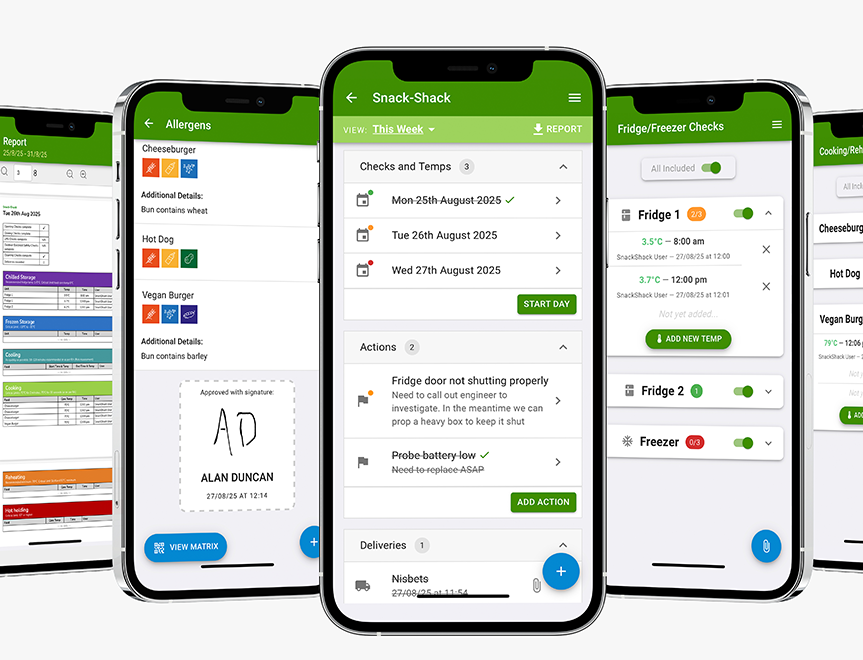
To make this process easier, NCASS members can use the Digital Food Safety System, which helps you manage your food safety records and keep important compliance documents together in one place.
The app also allows you to send your compliance documents directly to event organisers, straight from the system. Rather than repeatedly searching through folders and email attachments, you can access the documents you need and share them when applying for events or completing an organiser’s approval process.
The system can also help you maintain digital records of daily checks, temperatures and other food safety activities, making it easier to keep your business organised while you’re on the move.
Getting your paperwork in order early means you can respond to opportunities with greater confidence, reduce last-minute administration and spend more time focusing on your applications and business.
Plan Your Calendar Around Profit, Not Just Bookings
It’s tempting to fill every available date, particularly when you’re looking to grow your business. But a full calendar isn’t necessarily a profitable one.
As you plan for 2027, think about how different types of events could work together. Corporate bookings might provide weekday income, markets could help establish a regular local presence, food halls may offer more consistent trading opportunities, and festivals could provide seasonal peaks.
A balanced calendar can help spread your risk and reduce reliance on one type of customer or event.
Start by reviewing your previous trading year. Which events delivered the best returns? Where did you struggle to cover costs? Which organisers were easiest to work with, and which bookings generated repeat business?
Use those insights to set realistic targets for 2027. You might want to increase the number of corporate bookings, secure a regular market pitch, explore a food hall residency or apply for a handful of larger festivals that fit your business.
Keep track of application deadlines, expected costs, confirmed bookings and follow-up dates. It’s also sensible to leave some space for unexpected opportunities, repeat customers and bookings that arise later in the year.
Most importantly, don’t be afraid to turn down an event that doesn’t make commercial sense. Choosing the right opportunities is often more valuable than simply taking on more work.
Looking Ahead to 2027
Building a successful events calendar takes preparation, research and a clear understanding of what your business needs to thrive.
From corporate catering and local markets to food halls and major festivals, there are plenty of ways to find new customers, diversify your income and build lasting relationships with organisers. The key is to start early, apply strategically and make sure each opportunity fits your business and financial goals.
At NCASS, we’re committed to helping independent caterers find work, stay compliant and grow with confidence. Through our event partners, practical resources and Digital Food Safety System, we aim to make it easier for members to discover opportunities and prepare for the year ahead.
If you haven’t already started planning your 2027 calendar, now is a great time to begin. Research the events you want to attend, prepare your applications, get your documents ready and explore the opportunities available through our partners.
The earlier you start, the more time you’ll have to find the right events, secure worthwhile bookings and make 2027 a successful year for your business.

 Featured Training

OUR MEMBERSHIP
We're here to help make your catering business a success. Whether that be starting up or getting on top of your compliance and marketing. We're here to help you succeed.
Want our latest content?
Subscribe to our mailing list and get weekly insights, resources and articles for free
Get the emails